Rechercher dans ce blog

Thursday, July 2, 2020

Coronavirus: Could 'immunity passports' create an antibody elite? - BBC News

Governments around the world are testing citizens for coronavirus antibodies, to work out whether people have had the deadly Covid-19 disease.

Some countries are setting up so-called "immunity passports" and others may follow suit.

The idea is that a passport would certify that you have had coronavirus and will not carry or contract the disease again, opening up a way out of lockdown restrictions for the holder.

But is this theory correct? And will it create a group of antibody-carrying elite who can date, travel and work as they wish, while others are still limited by health precautions?

'I know I'm clear, we should meet!'

Pam Evans, from Aberdeen in Scotland, has just had a rude awakening to the new reality of internet dating. She says that a man who was interested in meeting her took a novel approach.

"I had one guy at the weekend: 'I've just been tested last week for Covid so I know I'm clear, we should meet up' And I said: 'Oh no, absolutely not'... he became just absolutely abusive straight away."

Pam's hopeful date was trying to take advantage of his apparent negative coronavirus test result as a reason to break lockdown rules to visit her.

Is this a sign of how those who get a certificate stating they've already had coronavirus might use their privileged position in society?

In New York, people are using antibody tests - showing that they have been exposed to the virus and have recovered - as a way of suggesting they are safe to date.

They are photographing positive test results to use as a kind of improvised "Covid-immunity passport".

If you have antibodies, the theory goes, you will not get the disease again.

Dating aside, what if we could decide who is safe to return to work or get on an aircraft? For those people. the Covid-19 lockdown could be over.

'Immunity passports'

The idea behind immunity passports, is that of a certificate confirming that you have had Covid-19. It could be used to enter places that those people without one are barred from.

To get one, you'd have to test positive for antibodies created after exposure to the virus.

Estonia is building an "immunity passport" system, and Chile is also planning what it calls a "release certificate", following such principles.

Tavvet Hinrikus, co-founder of the money exchange firm TransferWise, helped in the development of Estonia's phone app-based system.

"There are areas where I think it's a no-brainer we should use this, like… who takes care of our elders; can I go and see my parents?

"If immunity as a concept exists, then I think people who have immunity should be cleared to work with elders, or the same for frontline workers," he says.

Other apps are being developed to display antibody - and potentially immunity - status. One example is Onfido. Its co-founder, Husayn Kasai, says some US hotel chains are now are accepting immunity passports via an app.

"It's predominately for guests who want to access some of the services, be it the spa or the gym, where social distancing isn't an option."

Antibody elite

But could there be a sinister aspect: the potential for a supposedly Covid-immune elite to develop?

Robert West, professor of health, psychology and behavioural science at University College London (UCL), fears a "divisive society".

"You can imagine a situation where if you can get hold of some sort of certification, it will open up doors for you that wouldn't be open to people who can't have that certification.

"It could create a multi-tier society and increase levels of discrimination and inequity." Prof West also warns that the entire premise of immunity might be on shaky ground.

"It wouldn't be based on solid scientific foundation. It would be based on a probability that you may or may not be susceptible [to coronavirus] yourself or may or may not be in a position to pass the virus onto other people.

"It would be to the detriment of sectors of society, really being driven by commercial pressures."

Prof West envisages a point where people with recent antibody certificates would be able to work with vulnerable patients in healthcare roles, or that firms might use their workers' immunity passports as a way of competing with other companies.

But he believes there's not enough evidence to show that having antibodies is a reliable way to tell how likely you are to catch or pass on the virus.

'She's OK, she has antibodies'

The air travel sector has been hit particularly hit hard by the pandemic and John Holland-Kaye, chief executive of Europe's busiest airport, London Heathrow, wants all countries to recognise antibody certificates.

"What you really need [is to know that] your health passport... is going to be accepted in the country you are going to, and you'll be allowed to return home safely without having any kind of quarantine."

Carmel Shachar, of the Petrie-Flom Center for Health Law Policy, Biotechnology, and Bioethics at Harvard Law School in the US, fears that people may actually try to catch Covid-19.

A scenario she worries about is: "If you want to go back to work, you're going to have to contract a deadly disease, one that we don't actually want you to have, from a public health point of view or from an individual point of view."

She also worries about privacy. "If my employer can demand medical information about me, have I had Covid, do I have antibodies - are they allowed to do so? If they have that information, are they allowed to share it?"

The commercial benefits of publicising this information for certain industries are obvious, Ms Shachar believes. "If I work at a restaurant, can my employer tell every customer who walks in the door: 'Oh don't worry, she's OK because she has antibodies'?"

Ms Shachar thinks known immunity could be of significant benefit. "You might say, for healthcare workers working with Covid patients, or nursing facility workers... we do want to see immunity."

She says that people really want to get back to how things were before the pandemic, or a "new normal" that is close to it, and are prepared to make compromises.

Testing questions

Getting to that "new normal" as quickly as possible is the target for governments around the globe, Many find antibody-testing the entire population a tantalising idea where infection rates are high.

In Germany, the country's disease control and prevention agency, the Robert Koch Institute, is conducting large-scale random antibody testing.

But questions remain about the accuracy of some of these tests. Research published in May by the US-based Covid-19 Testing Project found that 12 antibody tests were accurate between 81-100% of the time.

While the US Centers for Diseases Control and Prevention (CDC) has warned that some antibody tests could incorrectly state you had antibodies - up to half the time. Meaning those who'd never had Covid-19 could mistakenly think they had immunity, and might then act riskily because of this false sense of security.

And even if the test correctly identifies that you have antibodies, does that mean you are actually immune? The World Health Organization (WHO) has expressed its doubts.

In the UK, for example, concerns were voiced by 14 senior academics in a letter published in the British Medical Journal at the end of June, saying that antibody tests for UK healthcare staff were being rolled out without "adequate assessment".

Back in Aberdeen, Pam is similarly unconvinced by the antibody testing argument.

"We don't know how long this immunity could last for. We don't know if it is 100% right if you've had those symptoms. There's no harm in meeting somebody and sitting and having a coffee in a park," she says.

"I'm not someone who'll kiss on the first date anyway. So to me, having that two metres apart means that a guy can't lunge on you for once!"

This article featured interviews broadcast on Business Daily, on the BBC World Service.

Can 'immunity passports' help us get back to normal?

The business case for immunity passports

Let's block ads! (Why?)


Health - Latest - Google News
July 02, 2020 at 06:11AM
https://ift.tt/3dZ38GA

Coronavirus: Could 'immunity passports' create an antibody elite? - BBC News
Health - Latest - Google News
https://ift.tt/2zrj9Ud

N.Y. Officials Halt Indoor Dining, Alarmed by Virus Rise in Other States - The New York Times

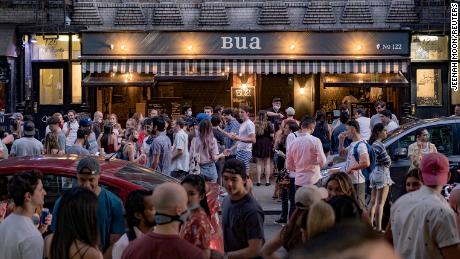
With the coronavirus spreading rapidly in other large states like California, Florida and Texas, Mayor Bill de Blasio announced on Wednesday that New York City would not resume indoor dining at restaurants next week as anticipated.

The decision to indefinitely delay indoor dining, which was made in conjunction with Gov. Andrew M. Cuomo, comes as New York officials are increasingly concerned that the increase in virus cases in more than 30 states could trickle back to New York, which has managed to rein in the outbreak.

“Indoors is the problem more and more,” said Mr. de Blasio, adding, that “the news we have gotten from around the country gets worse and worse.”

“It is not the time to forge ahead with indoor dining,” he added.

At a news conference later on Wednesday morning, Mr. Cuomo agreed that bringing back indoor dining in the city was “imprudent,” pointing to the rising rates of infection elsewhere that he said were “storm clouds on the horizon.”

Mr. Cuomo, a third-term Democrat, suggested that indoor dining could resume once more citizens complied with wearing masks and social distancing, and when case numbers nationally stabilized.

But he chided Mr. de Blasio, a fellow Democrat but a regular political foe, and other local officials for not doing enough insure that residents were abiding social distancing rules. “Citizen compliance is slipping,” he said.

“Local government has to step up and do their job,” he said, adding that “its much worse” in New York City.

The move to delay indoor dining came on the heels of a similar announcement by Gov. Phil Murphy of New Jersey to halt a planned restart of indoor dining that was to have gone into effect on Thursday.

New York City is scheduled to enter into Phase 3 of the state reopening plan on Monday, which allows for restaurants and other establishments to serve patrons indoors under a series of occupancy and service restrictions.

On Tuesday, Mr. Cuomo announced that visitors from 16 states, including the nation’s three largest — California, Florida and Texas — would be required to quarantine for 14 days after arriving in New York, a move made in coordination with Mr. Murphy and Ned Lamont, the governor of Connecticut.

Florida and Texas, in particular, have had to retrench in the face of surging cases after allowing bars and restaurants to reopen with some indoor seating.

And in California, Gov. Gavin Newsom on Wednesday ordered indoor operations at restaurants, bars, wineries and movie theaters to shut down in 19 counties, including Los Angeles, following a spike in cases and lax adherence to social distancing protocols.

Mr. Cuomo has said New York City, the most populous city in the nation, faces a unique set of challenges as it continues to gradually reopen. The city’s density, its mass transit system and its stature as a tourist destination could once again make the city a breeding ground for the virus, which has already killed more than 30,000 people in the state, with the vast majority of those victims in the city and its suburbs.

In mid-March, as the pandemic unfurled in New York and experts projected hospitals would be overwhelmed with tens of thousands of cases, officials shut down the city’s bars and restaurants.

While many of them remained open for pickup and deliveries, many shuttered indefinitely even as other pillars of the economy buckled, including Broadway theaters. Representatives of that industry announced on Monday that Broadway would remain closed for the entirety of 2020.

On Wednesday, Mr. de Blasio said that the restriction in indoor dining was not permanent, but would remain in place until “we have evidence that we can do it safely.”

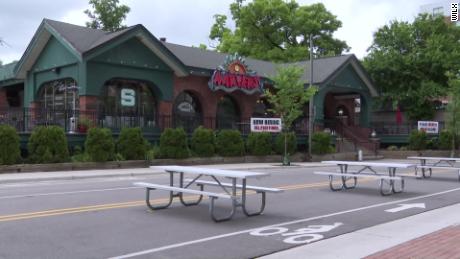
The decision to restrict restaurants and bars in New York City to outdoor dining — which was allowed last week as part of Phase 2 of reopening — would not affect other parts of the state, where indoor dining has already resumed.

The decision to bar indoor dining was likely to lead to more financial pain for the city’s eateries, and an ongoing adaptation for customers now corralled in makeshift sidewalk dining rooms, though many restaurant-goers have come to enjoy the new outdoor accommodations. It could also disproportionately impact restaurants with no easy street-level access to set up outdoor dining.

  • Frequently Asked Questions and Advice

    Updated June 30, 2020

    • What are the symptoms of coronavirus?

      Common symptoms include fever, a dry cough, fatigue and difficulty breathing or shortness of breath. Some of these symptoms overlap with those of the flu, making detection difficult, but runny noses and stuffy sinuses are less common. The C.D.C. has also added chills, muscle pain, sore throat, headache and a new loss of the sense of taste or smell as symptoms to look out for. Most people fall ill five to seven days after exposure, but symptoms may appear in as few as two days or as many as 14 days.

    • Is it harder to exercise while wearing a mask?

      A commentary published this month on the website of the British Journal of Sports Medicine points out that covering your face during exercise “comes with issues of potential breathing restriction and discomfort” and requires “balancing benefits versus possible adverse events.” Masks do alter exercise, says Cedric X. Bryant, the president and chief science officer of the American Council on Exercise, a nonprofit organization that funds exercise research and certifies fitness professionals. “In my personal experience,” he says, “heart rates are higher at the same relative intensity when you wear a mask.” Some people also could experience lightheadedness during familiar workouts while masked, says Len Kravitz, a professor of exercise science at the University of New Mexico.

    • I’ve heard about a treatment called dexamethasone. Does it work?

      The steroid, dexamethasone, is the first treatment shown to reduce mortality in severely ill patients, according to scientists in Britain. The drug appears to reduce inflammation caused by the immune system, protecting the tissues. In the study, dexamethasone reduced deaths of patients on ventilators by one-third, and deaths of patients on oxygen by one-fifth.

    • What is pandemic paid leave?

      The coronavirus emergency relief package gives many American workers paid leave if they need to take time off because of the virus. It gives qualified workers two weeks of paid sick leave if they are ill, quarantined or seeking diagnosis or preventive care for coronavirus, or if they are caring for sick family members. It gives 12 weeks of paid leave to people caring for children whose schools are closed or whose child care provider is unavailable because of the coronavirus. It is the first time the United States has had widespread federally mandated paid leave, and includes people who don’t typically get such benefits, like part-time and gig economy workers. But the measure excludes at least half of private-sector workers, including those at the country’s largest employers, and gives small employers significant leeway to deny leave.

    • Does asymptomatic transmission of Covid-19 happen?

      So far, the evidence seems to show it does. A widely cited paper published in April suggests that people are most infectious about two days before the onset of coronavirus symptoms and estimated that 44 percent of new infections were a result of transmission from people who were not yet showing symptoms. Recently, a top expert at the World Health Organization stated that transmission of the coronavirus by people who did not have symptoms was “very rare,” but she later walked back that statement.

    • What’s the risk of catching coronavirus from a surface?

      Touching contaminated objects and then infecting ourselves with the germs is not typically how the virus spreads. But it can happen. A number of studies of flu, rhinovirus, coronavirus and other microbes have shown that respiratory illnesses, including the new coronavirus, can spread by touching contaminated surfaces, particularly in places like day care centers, offices and hospitals. But a long chain of events has to happen for the disease to spread that way. The best way to protect yourself from coronavirus — whether it’s surface transmission or close human contact — is still social distancing, washing your hands, not touching your face and wearing masks.

    • How does blood type influence coronavirus?

      A study by European scientists is the first to document a strong statistical link between genetic variations and Covid-19, the illness caused by the coronavirus. Having Type A blood was linked to a 50 percent increase in the likelihood that a patient would need to get oxygen or to go on a ventilator, according to the new study.

    • How many people have lost their jobs due to coronavirus in the U.S.?

      The unemployment rate fell to 13.3 percent in May, the Labor Department said on June 5, an unexpected improvement in the nation’s job market as hiring rebounded faster than economists expected. Economists had forecast the unemployment rate to increase to as much as 20 percent, after it hit 14.7 percent in April, which was the highest since the government began keeping official statistics after World War II. But the unemployment rate dipped instead, with employers adding 2.5 million jobs, after more than 20 million jobs were lost in April.

    • How can I protect myself while flying?

      If air travel is unavoidable, there are some steps you can take to protect yourself. Most important: Wash your hands often, and stop touching your face. If possible, choose a window seat. A study from Emory University found that during flu season, the safest place to sit on a plane is by a window, as people sitting in window seats had less contact with potentially sick people. Disinfect hard surfaces. When you get to your seat and your hands are clean, use disinfecting wipes to clean the hard surfaces at your seat like the head and arm rest, the seatbelt buckle, the remote, screen, seat back pocket and the tray table. If the seat is hard and nonporous or leather or pleather, you can wipe that down, too. (Using wipes on upholstered seats could lead to a wet seat and spreading of germs rather than killing them.)

    • What should I do if I feel sick?

      If you’ve been exposed to the coronavirus or think you have, and have a fever or symptoms like a cough or difficulty breathing, call a doctor. They should give you advice on whether you should be tested, how to get tested, and how to seek medical treatment without potentially infecting or exposing others.


Melissa Fleischut, the president and chief executive of the New York State Restaurant Association, said the decision underscored the importance of increased regulatory flexibility to help restaurants stay afloat, noting the need to continue allowing bars to sell liquor in to-go cups. She also called for the expansion of the city’s “open streets” program to allow restaurants to accommodate tables on closed streets, something the mayor said he was considering on Wednesday.

“I don’t know anybody who would have the capacity outdoors that they have indoors,” she said. “The sales are just not anywhere where they need to be to make restaurants profitable.”

Other states — including Illinois, Minnesota and Oregon — have allowed indoor dining with certain restrictions on capacity and distancing, like spacing tables at least six feet apart. In New York, regions that have entered Phase 3 of reopening, which includes every part of the state except New York City, permit indoor dining with up to 50 percent capacity.

But in the past few days, Mr. Cuomo has homed in on mounting evidence that indoor spaces, especially those that are poorly ventilated or cramped, pose a higher risk for the virus’s transmission than outdoor spaces do. Mr. Cuomo has also said air-conditioning could be helping spread the virus.

Earlier this week, he said that large malls wishing to reopen would need to implement specialized air conditioning filters capable of filtering out coronavirus particles. He also encouraged businesses and office spaces to do the same.

Heather C. Briccetti, the president of the Business Council of New York State, said that the pause on reopening indoor dining rooms re-emphasized the fragility of the state’s recovery, and the need for federal help for small businesses and the local governments that rely on their sales tax.

“I think it highlights the need for the feds to get their act together,” Ms. Briccetti said, adding that “local government has lost their shirts” in the crisis.

Ms. Briccetti added that the sudden change of plans for restaurants — some of whom had bought perishable food items in expectation of heavier demand next week — would add to their travails.

“It’s certainly not going to be welcome news for folks,” she said. “Everything feels so uncertain. And the one thing that businesses crave is certainty.”

Amanda Rosa contributed reporting.

Let's block ads! (Why?)


"virus" - Google News
July 02, 2020 at 09:57AM
https://ift.tt/3gsFVyb

N.Y. Officials Halt Indoor Dining, Alarmed by Virus Rise in Other States - The New York Times
"virus" - Google News
https://ift.tt/2OagXru

Here's What Recovery from Covid-19 May Look Like for Many Survivors - Antigua Observer

Spread the love

(New York Times) – Hundreds of thousands of seriously ill coronavirus patients who survive and leave the hospital are facing a new and difficult challenge: recovery. Many are struggling to overcome a range of troubling residual symptoms, and some problems may persist for months, years or even the rest of their lives.

Patients who are returning home after being hospitalized for severe respiratory failure from the virus are confronting physical, neurological, cognitive and emotional issues.

And they must navigate their recovery process as the pandemic continues, with all of the stresses and stretched resources that it has brought.

“It’s not just, ‘Oh, I had a terrible time in hospital, but thank goodness I’m home and everything’s back to normal,’” said Dr. David Putrino, director of rehabilitation innovation at Mount Sinai Health System in New York City. “It’s, ‘I just had a terrible time in hospital and guess what? The world is still burning. I need to address that while also trying to sort of catch up to what my old life used to be.’”

It is still too early to say how recovery will play out for these patients. But here is a look at what they are experiencing so far, what we can learn from former patients with similar medical experiences, and the challenges that most likely lie ahead.

There are many. Patients may leave the hospital with scarring, damage or inflammation that still needs to heal in the lungs, heart, kidneys, liver or other organs. This can cause a range of problems, including urinary and metabolism issues.

Dr. Zijian Chen, the medical director of the new Center for Post-Covid Care at Mount Sinai Health System, said the biggest physical problem the center was seeing was shortness of breath, which can be the result of lung or heart impairments or a blood-clotting problem.

“Some have an intermittent cough that doesn’t go away that makes it hard for them to breathe,” he said. Some are even on nasal oxygen at home, but it is not helping them enough.

Some patients who were on ventilators report difficulty swallowing or speaking above a whisper, a usually temporary result of bruising or inflammation from a breathing tube that passes through the vocal cords.

Many patients experience muscle weakness after lying in a hospital bed for so long, said Dr. Dale Needham, a critical care physician at Johns Hopkins School of Medicine and a leader in the field of intensive care recovery. As a result, they can have trouble walking, climbing stairs or lifting objects.

Nerve damage or weakness can also whittle away muscle strength, Dr. Needham said. Neurological problems can cause other symptoms, too. Dr. Chen said that Mount Sinai’s post-Covid center has referred nearly 40 percent of patients to neurologists for issues like fatigue, confusion and mental fogginess.

“Some of it is very debilitating,” he said. “We have patients who come in and tell us: ‘I can’t concentrate on work. I’ve recovered, I don’t have any breathing problems, I don’t have chest pain, but I can’t get back to work because I can’t concentrate.’”

The center also refers some of these patients for psychological consults, Dr. Chen said.

“It’s really common for patients to have PTSD after going through this — nightmares, depression and anxiety because they’re having flashbacks and remembering what happened,” said Dr. Lauren Ferrante, a pulmonary and critical care physician at Yale School of Medicine who studies post-I.C.U. recovery outcomes.

Emotional issues may be heightened for Covid-19 patients because of their days spent hospitalized without visits from family and friends, experts say.

“This experience of being extremely sick and extremely alone really amplifies the trauma,” said Dr. Putrino, adding that many patients were contacting his program to ask for telemedicine psychology services. “They’re saying, ‘Listen, I’m not really myself and I need to speak with someone.’”

To describe the wide variety of recovery challenges, experts often use an umbrella term, coined about a decade ago: post-intensive care syndrome or PICS, which can include any of the physical, cognitive and emotional symptoms patients encounter.

Studies of people hospitalized for respiratory failure from other causes suggest recovery is more likely to be harder for people who were frail beforehand and for people who needed longer hospitalizations, Dr. Ferrante said.

But many other coronavirus patients — not just those who are older or who have other medical conditions — are spending weeks on ventilators and weeks more in the hospital after their breathing tubes are removed, making their recovery hills steeper to climb.

“You have prolonged lengths of stay on a ventilator and in the I.C.U. that are now longer than we’ve ever seen before,” Dr. Ferrante said. “One worries that this is going to have repercussions for physical function and that we’ll see more people not recovering.”

Another factor that can extend or hamper recovery is a phenomenon called hospital delirium, a condition that can involve paranoid hallucinations and anxious confusion. It is more likely to occur in patients who undergo prolonged sedation, have limited social interaction and are unable to move around — all common among Covid-19 patients.

Studies, including one by a team at Vanderbilt University Medical Center, have found that I.C.U. patients who experience hospital delirium are more likely to have cognitive impairment in the months after they leave the hospital.

Ups and downs are common. “It’s absolutely not a linear process, and it’s very individualized,” Dr. Needham said.

Perseverance is important. “What we don’t want is for patients to go home and lie in bed all day,” Dr. Ferrante said. “That will not help with recovery and will probably make things worse.”

Patients and their families should realize that fluctuations in progress are normal.

“There are going to be days where everything’s going right with your lungs, but your joints are feeling so achy that you can’t get up and do your pulmonary rehab and you have a few setbacks,” Dr. Putrino said. “Or your pulmonary care is going OK, but your cognitive fog is causing you to have anxiety and causing you to spiral, so you need to drop everything and work with your neuropsychologist intensively.”

“It really does feel like one step forward, two steps back,” he added, “and that’s OK.”

For many people, the lungs are likely to recover, often within months. But other problems can linger and some people may never make a full recovery, experts say.

One benchmark is a 2011 New England Journal of Medicine study of 109 patients in Canada who had been treated for acute respiratory distress syndrome, or ARDS, the kind of lung failure that afflicts many Covid-19 patients. Five years later, most had regained normal or near-normal lung function but still struggled with persistent physical and emotional issues.

On one crucial test — how far patients could walk in six minutes — their median distance was about 477 yards, only three-quarters of the distance researchers had predicted. The patients ranged in age from 35 to 57, and while younger patients had a greater rate of physical recovery than older patients, “neither group returned to normal predicted levels of physical function at five years,” the authors wrote.

The patients in the study had ARDS from a variety of causes, including pneumonia, sepsis, pancreatitis or burns. They had a median stay of 49 days in the hospital, including 26 days in the I.C.U. and 24 days on a ventilator.

Research led by Dr. Needham of Johns Hopkins found that “patients have prolonged muscle weakness that lasts months or longer and that muscle weakness is not just limited to their arms and legs — it’s also their breathing muscles,” he said.

Another study by Dr. Needham and his colleagues found that about two-thirds of ARDS patients had significant fatigue a year later.

Psychological and cognitive symptoms can also linger. About half of the patients in the 2011 Canadian study reported at least one episode of “physician-diagnosed depression, anxiety, or both between two and five years of follow-up.” And a study of patients treated in the 2003 outbreak of SARS, another type of coronavirus, found that a year later many had “worrying levels of depression, anxiety, and post-traumatic symptoms.”

Among other things, patients may have trouble going back to their jobs. A team led by Dr. Needham found that nearly one-third of 64 ARDS patients they followed for five years never returned to work.

Some tried but found that they couldn’t do their jobs and stopped working altogether, Dr. Needham said, and others “had to change their occupation, specifically for a job that’s less challenging and probably less pay.”

Dr. Chen said he was worried that the long-term consequences of Covid-19 could resemble the chronic health effects of the AIDS epidemic or the Sept. 11 attack on New York City. “A new disease that’s severe or a catastrophic event causes symptoms that last a long time,” he said. “This is shaping up to be something that may be worse than both of those.”

There may be “hundreds of thousands who are going to be afflicted with these chronic syndromes that may take a long time to heal, and that’s going to be a very big health problem and also a big economic problem if we don’t take care of them,” Dr. Chen said.

Recovery programs for Covid-19 patients are cropping up at Mount Sinai, Yale, Johns Hopkins and elsewhere, offering patients telemedicine consultations and sometimes in-person appointments.

Some patients require medication to help with shortness of breath, heart problems or blood clotting. Dr. Ferrante said people should check medications with their doctors because some medicines they were given in the hospital may not be appropriate for patients to continue at home.

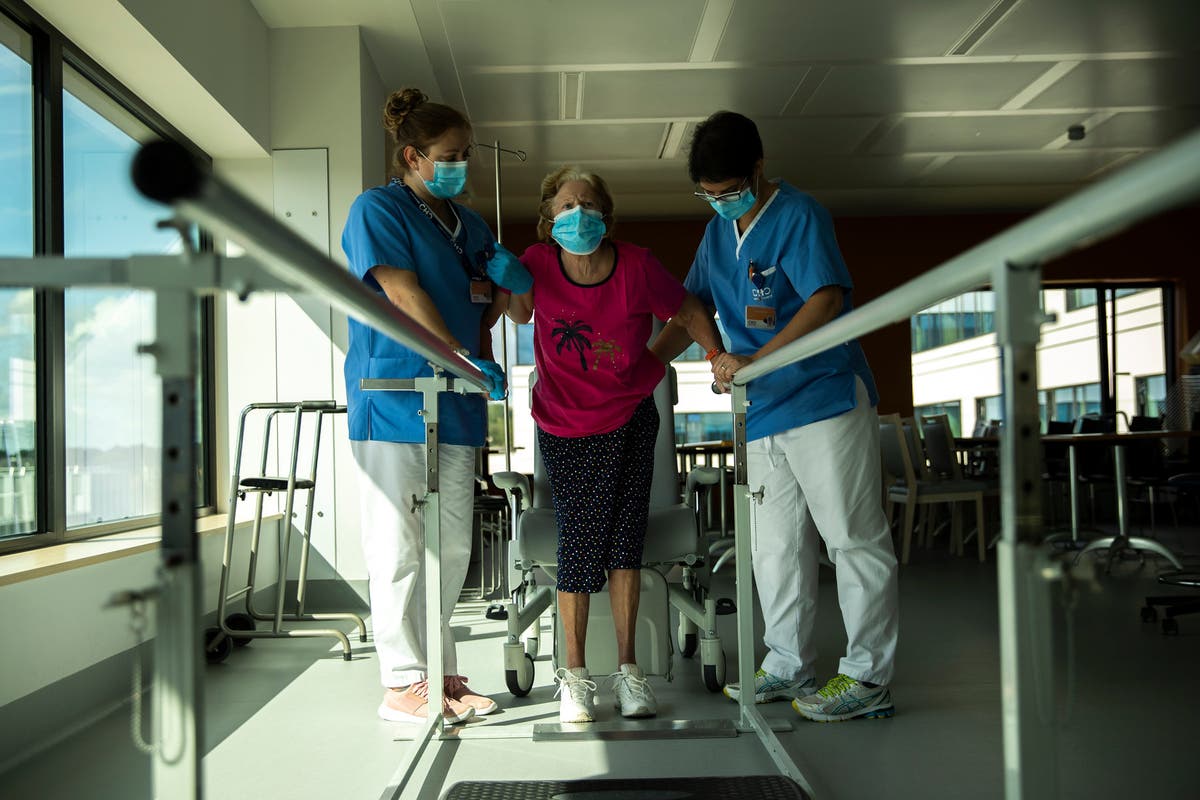
But medication may not be necessary, or may not work, for many issues. Practicing breathing exercises and using a spirometer, a device that measures how much air a person can breathe and how quickly, can improve respiratory issues. Physical therapy can help restore muscle strength, movement and flexibility. Occupational therapy can help people regain the ability to do everyday tasks, like grocery shopping and cooking. Speech therapy can help with swallowing and vocal cord issues.

Physiatrists, doctors who specialize in physical rehabilitation, are likely to be increasingly in demand, experts say. So are neurologists and mental health therapists.

“I think the main take-home here is that post-Covid care is complex,” Dr. Putrino said. “It’s hard enough to rehabilitate someone with a broken leg where one thing is wrong.”

“But with post-Covid care,” he said, “you’re dealing with people with some cognition issues, physical issues, lung issues, heart issues, kidney issues, trauma — and all of these things have to be managed just right.”

Let's block ads! (Why?)


Health - Latest - Google News
July 02, 2020 at 04:13AM
https://ift.tt/2By6YZZ

Here's What Recovery from Covid-19 May Look Like for Many Survivors - Antigua Observer
Health - Latest - Google News
https://ift.tt/2zrj9Ud
Wednesday, July 1, 2020

If the coronavirus wasn’t bad enough, a new flu strain shows ‘hallmarks’ of next pandemic - nj.com

Researchers are monitoring a new flu strain that has emerged in China, which they say has the features of a “candidate pandemic virus.”

It’s called G4 EA H1N1 and is carried by pigs in Asia. It’s a new strain of H1N1, or swine flu, which caused the 1918 and 2009 flu pandemics.

While experts say there is no cause for alarm at this point, a recent study in the U.S. scientific journal PNAS said, “G4 viruses have all the essential hallmarks of a candidate pandemic virus.”

Pigs are incubators for the flu — or “mixing vessels,” as the researchers put it — allowing them to generate pandemic-level flu viruses.

Some pig farm workers — about 10% of those studied — turned up positive for antibodies for the new flu strain, but didn’t fall ill because the virus is still unable to cause disease.

But researchers said the strain “has acquired increased human infectivity,” which signals that it’s learning how to better survive in people, said David Cennimo, an infectious disease expert at Rutgers New Jersey Medical School.

“I think the concern is, it is adapting better to being in humans,” Cennimo said.

Such an ability to establish infection “greatly enhances the opportunity for virus adaptation in humans and raises concerns for the possible generation of pandemic viruses,” the study said.

But Cennimo emphasized there is no reason to panic.

"I think the concern is more academic," he said. "This is not raising a health alert or anything else."

If the strain developed into a communicable disease, that’s when the alarm bells would ring.

“You’d be worried if these pig farmers were actually getting sick” and then transmitting it to others, Cennimo said.

That remains a concern, the researchers said in the study.

A pandemic from a new flu strain would magnify the coronavirus pandemic, which has shown no signs of slowing in the U.S. In fact, the crisis has only been ramping up in recent weeks in states throughout the country, especially in the southern and western regions.

Only time will tell what the new flu strain develops into. Health experts are continuing to monitor the situation in China.

The study said, “close monitoring in human populations, especially the workers in (the) swine industry, should be urgently implemented.”

Though the situation is still being investigated, Patty Olinger, an infectious disease expert, said the study has caught the attention of health experts around the country and the globe.

“It’s one of the reports you really pay attention to...” said Olinger, who is also the executive director of the Global Biorisk Advisory Council. “When we see these events, when there is a jump from one species to another, you start paying attention.”

She said whenever you see a novel virus that “has at least made it to humans but hasn’t caused disease, it makes you pause and take a look at it.”

But even if the new strain ends up being harmless, Cennimo said just a moderately severe flu season could disrupt the health care system amid the ongoing coronavirus pandemic.

Experts call it surge capacity, and a moderate flu season could spell disaster for hospitals in the state still coping with COVID-19.

Spencer Kent may be reached at skent@njadvancemedia.com. Follow him on Twitter @SpencerMKent. Find NJ.com on Facebook.

Have a tip? Tell us. nj.com/tips.

Get the latest updates right in your inbox. Subscribe to NJ.com’s newsletters.

Let's block ads! (Why?)


Health - Latest - Google News
July 02, 2020 at 06:06AM
https://ift.tt/31CdI3p

If the coronavirus wasn’t bad enough, a new flu strain shows ‘hallmarks’ of next pandemic - nj.com
Health - Latest - Google News
https://ift.tt/2zrj9Ud

Virus Control: Hygiene and Disinfecting As the New-Norm - PRNewswire

FT. LAUDERDALE, Fla., July 1, 2020 /PRNewswire/ -- The COVID-19 outbreak has brought about interest in hygiene and virus control, in particular. Companies that offer disinfection services for offices, factories, physician clinics and homes are reporting a surge in calls because of it.

It's one of the few growing industries amidst an economic depression, according to a report by MarketWatch. Job openings for fogger and sprayer techs are rising as companies are called upon to help battle the coronavirus.

Cleanliness, health and disinfection are now at the forefront of everyone's minds.

Companies like VIP (https://vipviruscontrol.com/) Services have always specialized in infectious disease remediation, but as of late have been inundated with service requests from law firms, physician offices, homeowners, landlords and even car dealerships.

Avi Soffer, managing partner of VIP states that he believes the uptick in hygiene and virus control is part of, and will continue to be the new – norm as the world works together at staying safe and healthy.

Soffer says staff has been "putting in long hours to meet the demand," and that "we will continue to do so in order to get the jobs done in an efficient and quality manner."

According to Soffer, the COVID-19 virus is not particularly hard to kill outside the human body. "COVID-19 is a rather weak virus and treating facilities effectively and frequently, can eliminate it from being such a global threat."

The task is about containment, elimination and stopping the spread.

Disinfecting begins with controlling and cleaning the air and surfaces. This is achieved by using a disinfectant such as Hypochlorous acid, that has been approved (by the EPA) to be among the more effective disinfectants in treating COVID like viruses. The Hypochlorous is non-toxic and applied through either electrostatic sprayers or foggers.

"We clean everything. Using the Hypochlorous in a fogger enables the disinfectant to travel to hard to reach areas and thoroughly disinfect hard to reach areas," says Soffer.

It is generally understood that the primary mode of infection is from droplets traveling from person to person but the next most common means of infection is from the transmission of germs. That's why touch points such as doorknobs, handrails, light switches, elevator buttons, etc. – get the utmost scrutiny and are a point of emphasis for VIP.

One commonly asked question is, How long can the COVID-19 virus live on an inanimate object such as a doorknob?

"It is still so new that no governing body is certain how long COVID lives on a surface. Some say 24 hours, some say a week or more," Soffer said.

"We were ready for this. We are among the few who specialize as an actual Virus Control company," he said. "We are always prepared with our fleet and people for situations, including an epidemic.

"To get proper disinfection, you need to do things right. We do disinfection and virus control as a regular service and on a regular basis, so we have the products, the training and adequate PPE.

"Many of our calls are from physician offices and places continuing to do business, such as restaurants and law firms where business is ongoing. Many places, such as private homes, are also doing preventive cleaning and being proactive."

VIP techs travel all over and taking care of government buildings, offices, VRBO rental properties, and have recently engaged in conversations with the Broward County School Board.

"We are a serious organization, and proud to be on the forefront doing our part in killing and containing COVID and other viruses. The public and business sector have done an impressive job in doing their part. Together, we will get this under control."

SOURCE VIP Virus Control

Related Links

https://vipviruscontrol.com

Let's block ads! (Why?)


"virus" - Google News
July 02, 2020 at 07:39AM
https://ift.tt/3ilzq1A

Virus Control: Hygiene and Disinfecting As the New-Norm - PRNewswire
"virus" - Google News
https://ift.tt/2OagXru

US sees a record number of new coronavirus cases reported in a single day - CNN

Wednesday's total eclipses the previous high of new cases reached on June 26, when 45,255 new coronavirus cases were reported across the US.
It took a little more than two months for the US to record its first 48,000 cases, the university's data says.
There have been 2,683,894 cases of coronavirus in the country, according to Johns Hopkins University. More than 128,000 people have died.
At least five states -- Arizona, California, North Carolina, Tennessee, Texas -- had record-high totals of new case reports on Wednesday.
California, the most populous state, reported 9,740 new cases. That figure included 5,898 cases reported to the state in the past 24 hours and 3,842 previously unreported cases from a five-day period, Ali Bay, a spokeswoman for the state's joint information center, said.
The spike comes as many states are pausing their reopenings or rolling back some restrictions.
More than 28 million Californians live in counties where restaurant dining rooms, bars and other indoor facilities are being told to stay shut or close as the number of Covid-19 cases continue to worry state officials.
The closures affect 19 counties representing 72% of the state's population, and include restaurants, museums, zoos, movie theaters, family entertainment, and card rooms, Gov. Gavin Newsom said Wednesday.
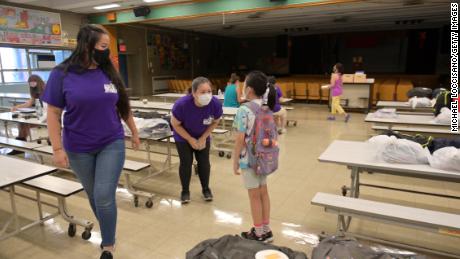
Covid-19 keeps putting the new school year in total limbo
The governor's announcement included bars, pubs, breweries and wineries that don't also serve food. Restaurants can serve takeout meals.
"Bottom line is, the spread of this virus continues at a rate that is particularly concerning," said Newsom, who added that the percentage of people who test positive is rising.
These restrictions will remain in place for at least three weeks, Newsom said.
Newsom said California's state beaches in areas where local governments have closed theirs will also be closed. Parking lots at state beaches that are open in Southern California and the Bay Area won't be operating.
California isn't the only state that announced new restrictions. Michigan is closing indoor service at bars throughout most of the lower part of the state. Governors in Pennsylvania and Oregon ordered their citizens to wear face coverings.

Weekend could be a 'perfect storm'

As the Fourth of July weekend nears, an infectious disease doctor said the United States could be heading into "the perfect storm" for a spike in coronavirus cases.
"It's set up a perfect storm: the combination of travel, the combination of reopening -- perhaps in some cases, too early -- and the combination of people not necessarily following some of these preventive guidelines," Dr. Joshua Barocas, an infectious disease physician at Boston Medical Center, said during a Wednesday briefing by the Infectious Diseases Society of America.
Fauci: US coronavirus cases could rise to 100,000 a day
Barocas said cases spiked in some states after Memorial Day. Thirty-seven states now trend upward in the number of cases from last week and only two states, New Jersey and Rhode Island, trend downward.
"I'm very concerned, especially given this coming weekend, that the same types of spikes, the same types of surges could be seen -- not just in the places that are currently experiencing surges, but in places that have already experienced surges and in ones that haven't yet," he said.  
Dr. Ricardo Franco, assistant professor of medicine at the University of Alabama at Birmingham, said, "this surge in our prolonged first wave of infections, it's very difficult to predict what might happen and the Fourth of July weekend could play a big role in this."

Other states order bars to shut down

Some states with hotspots are taking action in an attempt to reduce crowds by shutting down bars, closing beaches and canceling fireworks displays.
Reopening the economy doesn't mean Covid-19 is getting better. It just shifts more responsibility to you
A total of 23 states have changed or paused reopening plans because of spikes in coronavirus cases, and bars have come in for particular attention.
"If you have bars, you have music," said Franco. "If you have music, you want to socialize. And you want to speak louder than usual so you can overcome the background noise."  
All those factors can increase the spread of the virus, he said.
Texas, Colorado and Delaware have ordered closures or limits on bar operations.
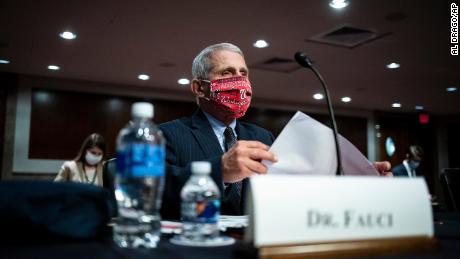
Dr. Anthony Fauci, the director of the National Institute for Allergy and Infectious Diseases, also gave bars nothing to cheer when he appeared before Congress this week.
"Bars: really not good, really not good. Congregation at a bar, inside, is bad news. We really have got to stop that," Fauci said Tuesday.
In hard-hit South Florida, beaches from Palm Beach to Key West will be shut down for the holiday weekend.
One hopeful note from another corner of the country: New York City beaches have opened for swimming.

Fauci says early mask messages were confusing

More than 100 Covid-19 cases linked to Michigan bar
The "mixed message" about wearing a mask at the beginning of the coronavirus pandemic in the US has contributed to the reluctance of some Americans to wear a face covering now, Fauci told NPR on Wednesday.
Americans who didn't have coronavirus symptoms were told not to wear a mask February and March as a shortage of personal protective gear for medical workers worsened.
By May, health experts, including Fauci, changed their guidance and urged all people to wear masks in public to prevent the spread of the virus.
"I think that did have an effect," Fauci, head of the National Institute of Allergy and Infectious Diseases, told NPR.
Trump refuses to lead as pandemic worsens and allies desert him on masks
Fauci admitted that the early message to Americans about wearing a mask was "confusing." Without elaborating, he said there were "many other things" now contributing to why people do not want to wear a face covering.
"We have to admit it that mixed message in the beginning, even though it was well meant, to allow masks to be available to help workers, that was detrimental in getting the message across right now," Fauci said. "No doubt about it."

Let's block ads! (Why?)


COVID-19 - Latest - Google News
July 02, 2020 at 09:03AM
https://ift.tt/2BhyxXr

US sees a record number of new coronavirus cases reported in a single day - CNN
COVID-19 - Latest - Google News
https://ift.tt/2VQ2gy8

Hundreds of teens at 'pong fest' party exposed to coronavirus, officials say - CNN

At the time of the party, several teens were waiting for their Covid-19 test results, and have since tested positive, according to Shelly Parks, a spokesperson with Austin Homeland Security & Emergency Management.
City and health officials are now urging all attendees to get tested and self-isolate.
"Unfortunately, our case load is probably going to increase because there was a very large party," Lakeway Mayor Sandy Cox said during a Facebook Live event last week.
School bus drivers excited, scared as school year approaches
In an email to CNN on Wednesday, Cox said it's still unclear whether the party led to a high number of cases in the area. The mayor said the city has had 105 cases, 50 of which are currently active.
Authorities learned about the exposure because health workers are "asking that participation in gatherings be mentioned for contact tracing purposes when people are getting tested," Parks told CNN.
A pop-up testing site has been set up at the Baylor School & White Specialty Clinic-Lakeway to help partygoers and those they interacted with in the past week get tested, health officials said.

Let's block ads! (Why?)


COVID-19 - Latest - Google News
July 02, 2020 at 08:03AM
https://ift.tt/2NK1uha

Hundreds of teens at 'pong fest' party exposed to coronavirus, officials say - CNN
COVID-19 - Latest - Google News
https://ift.tt/2VQ2gy8

Featured Post

Measles is “growing global threat,” CDC tells doctors in alert message - Ars Technica

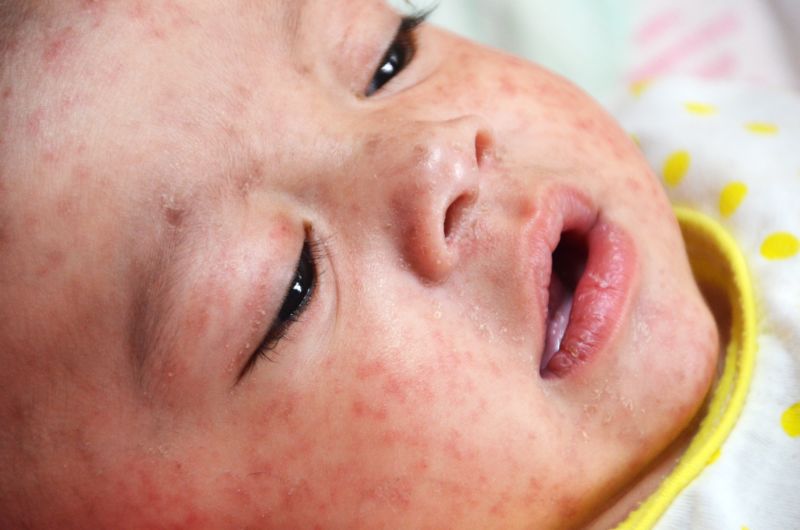
Enlarge / A baby with measles. CDC The Centers for Disease Control and Prevention is putting clinicians on alert about the growing r...

Popular Posts