Rechercher dans ce blog

Sunday, April 3, 2022

Covid and Diabetes, Colliding in a Public Health Train Wreck - The New York Times

After older people and nursing home residents, no group perhaps has been harder hit by the pandemic than people with diabetes. Experts hope policymakers will take notice, and finally get serious about tackling the nation’s diabetes crisis.

After an insect bite on his back became infected, David Donner, a retired truck driver in rural Alabama, waited six hours in a packed emergency room with his wife, before coronavirus vaccines were widely available. A few days later, they both began experiencing the telltale symptoms of Covid-19.

Debra Donner quickly recovered but Mr. Donner, 66, landed in the I.C.U. “The virus barely slowed her down, but I ended up surrounded by nurses in hazmat suits,” he said. His halting recovery has left him dependent on a wheelchair. “I walk 20 feet and I’m huffing and puffing like I ran 20 miles.”

The Donners see little mystery in why they fared so differently: Mr. Donner has diabetes, a chronic disease that hobbles the body’s ability to regulate blood sugar and inexorably wreaks havoc on circulation, kidney function and other vital organs.

After older people and nursing home residents, perhaps no group has been harder hit by the pandemic than people with diabetes. Recent studies suggest that 30 to 40 percent of all coronavirus deaths in the United States have occurred among people with diabetes, a sobering figure that has been subsumed by other grim data from a public health disaster that is on track to claim a million American lives sometime this month.

People with diabetes are especially vulnerable to severe illness from Covid, partly because diabetes impairs the immune system but also because those with the disease often struggle with high blood pressure, obesity and other underlying medical conditions that can seriously worsen a coronavirus infection.

“It’s hard to overstate just how devastating the pandemic has been for Americans with diabetes,” said Dr. Giuseppina Imperatore, who oversees diabetes prevention and treatment at the Centers for Disease Control and Prevention.

Diabetes patients hospitalized with Covid spend more time in the I.C.U., are more likely to be intubated and are less likely to survive, according to several studies, one of which found that 20 percent of hospitalized coronavirus patients with diabetes died within a month of admission. Though researchers are still trying to understand the dynamics between the two diseases, most agree on one thing: Uncontrolled diabetes impairs the immune system and decreases a patient’s ability to withstand a coronavirus infection.

Diabetes is a pernicious disease that is at once ubiquitous and invisible, partly because most people with the condition do not appear outwardly ill. It affects 34 million Americans, or 13 percent of all adults, but draws less funding and public attention than other major killers like cancer, Alzheimer’s and heart disease.

Even as the pandemic’s hold on political leaders and the public begins to fade, researchers, clinicians and other experts in the field are hoping the disproportionate suffering and death among people with diabetes will bring renewed attention to the disease, which annually claims 100,000 lives and soaks up one in four health care dollars spent.

“Millions of Americans were already struggling with diabetes, and then Covid came along and cut a huge swath of suffering and misery that has been largely overlooked by the public and policymakers,” said Dr. David Kerr, the director of research and innovation at Sansum Diabetes Research Institute in California. “Diabetes is a wicked problem and Covid has just shone a bright light on this crisis.”

Charity Rachelle for The New York Times

Like the pandemic, which has had an outsize toll on communities of color, the burden of diabetes falls more heavily on Latino and Black Americans, highlighting systemic failures in health care delivery that have also made the coronavirus far deadlier for the poor, said Nadia Islam, a medical sociologist at NYU Langone Health. “It’s not that diabetes itself makes Covid inherently worse but rather uncontrolled diabetes, which is really a proxy for other markers of disadvantage,” she said. Compounding the concerns, some studies suggest that a coronavirus infection can heighten the risk of developing type 2 diabetes, a disease that is largely preventable through a healthy diet and exercise. Type 1, by contrast, is a genetic disorder that tends to emerge early in life and is sometimes referred to as juvenile diabetes. More than 90 percent of all diabetes cases in the United States are type 2.

One study published last month found that patients who recovered from Covid were 40 percent more likely to be diagnosed with type 2 diabetes within 12 months compared with the uninfected, though researchers have yet to determine a connection between the two conditions.

Over the past two years, doctors have also reported a sharp rise in young people being diagnosed with type 2 diabetes, an increase that many believe is tied to the drastic spike in childhood obesity during the pandemic. “We’ve seen kids coming in so sick and dehydrated that they sometimes require I.C.U. care,” said Dr. Daniel Hsia, a diabetes specialist at the Pennington Medical Research Center at Louisiana State University.

About 1.5 million Americans are diagnosed with diabetes each year, according to the C.D.C., and roughly 96 million, about one in three adults, are at high risk for developing the disease.

Although the number of new diagnoses has begun to decline, the overall number of Americans with diabetes has doubled in the past two decades, an increase that mirrors the alarming rise of obesity, which affects more than 42 percent of adults.

Diabetes is an insidious disease that significantly increases the risks of premature blindness, stroke, and circulatory and neurological problems that can lead to infections requiring amputation of gangrenous toes and feet. As with many chronic conditions, the poor and people of color are diagnosed with diabetes at disproportionately higher rates. Black and Latino Americans are more than twice as likely to receive a diabetes diagnosis as whites, and inadequate access to medical care can make it harder for them to juggle the complex dietary, monitoring and treatment regimens that can stave off its devastating complications. Although there is much researchers don’t understand, many believe that uncontrolled diabetes greatly amplifies the perils of a Covid diagnosis. That’s because a sedentary lifestyle, putting on extra weight or failing to keep close tabs on blood sugar levels fuel chronic inflammation inside the body, which can increase insulin resistance and weaken the immune system.

Inflammation triggers the release of cytokines, tiny proteins that regulate the body’s immune response to infection or injury. Cytokines are a critical component of the normal healing process, but for people with diabetes and underlying chronic inflammation, all those cytokines can damage healthy tissue. Covid, it turns out, can provoke an uncontrolled release of cytokines, and the resulting “cytokine storm” can wreak havoc on vital organs like the lungs, leading to dire outcomes and death.

People with type 2 diabetes tend to fare more poorly than those with type 1, in part because those with type 1 tend to be younger.

In some respects, the pandemic has already had some positive effects on diabetes care by elevating the adoption of technology that enables remote management of the disease. The ramped up embrace of telemedicine, for example, has made it possible for health care providers to spot a worrisome foot wound on a homebound patient.

Early in the pandemic, the Food and Drug Administration gave hospitals and long-term care facilities permission to distribute continuous glucose monitoring devices to coronavirus patients as a way of reducing the risks to health care workers. Clinicians have also learned the nuances of caring for hospitalized diabetics with Covid through more intensive monitoring and management of blood sugar levels.

But many advancements have been unevenly distributed. The uninsured cannot afford the latest glucose monitoring or insulin delivery devices, and in economically disadvantaged communities with low digital literacy, experts say that doctors are less likely to offer new technologies and treatments to Black and Hispanic patients, even when they are covered by insurance.

“The advances of recent years have been stunning but not everyone has access to them and that’s just tragic,” said Dr. Ruth S. Weinstock, a board member of the American Diabetes Association.

The soaring cost of insulin, an essential medicine for diabetes management, has also had a greater impact on the poor. A 2019 study found that one in four people with diabetes had rationed their insulin use, which can have dire health consequences. On Thursday, the House voted to cap the price of insulin at $35 a month. President Biden supports the measure, which the Senate has yet to consider.

Daniel Dreifuss for The New York Times

Betty Angeles, 59, sees up close the challenges of managing diabetes for the farmhands, busboys and other low-wage laborers in and around Santa Barbara, Calif. Ms. Angeles, a native of Peru, herself juggles three jobs: as a house cleaner, a pastry chef and a community health worker at Sansum Diabetes Research Institute, where she helps Spanish-speaking clients navigate the complexities of diabetes treatment.

“When you are uninsured and working two or three jobs it’s difficult to regularly see a doctor like you should,” said Ms. Angeles, who has managed her own diabetes for nearly three decades.

Sansum runs programs to make it easier for patients to stay healthy. That means regularly testing their blood sugar levels; encouraging clients to exercise, even if that means jogging in place for 15 minutes between jobs; and teaching them to prepare meals that favor fresh produce over bread, rice and tortillas — starchy carbohydrates that can complicate the body’s ability to regulate glucose.

Arianna Larez, who oversees the institute’s type 2 diabetes program, says Ms. Angeles and other outreach workers with community roots are the key to its success. She strongly believes the especialistas, as they are known in Spanish, deserve some credit for one encouraging data point: though many have been infected by the coronavirus, so far none of Sansum’s 400 clients have died of Covid.

“Building trusted relationships and creating easy-to-understand, culturally relevant information has real-world implications,” Ms. Larez said.

Experts say addressing the nation’s diabetes crisis will require more than expanding the number of community health workers: Well-funded public education campaigns are needed to drive home the importance of exercise and healthy eating, as are seismic changes to a food system geared to cheap, processed food — a heavy lift given the political might of the food and beverage industry.

But researchers say state and local governments can make a difference through programs that subsidize fresh produce for low-wage earners and zoning measures to lure supermarkets to so-called food deserts.

“Instead of telling poor people they’re lazy for not being physically active, why not make their neighborhoods safer so they aren’t afraid to go outside and exercise?” asked Dr. Sudip Bajpeyi, a researcher at the University of Texas at El Paso whose study on hospitalized Covid patients last June was among the first to highlight the outsize death toll among people with diabetes. “The only way to move the needle is to reform a system that prioritizes cures and new drugs over prevention.”

Adblock test (Why?)


Health - Latest - Google News
April 04, 2022 at 04:31AM
https://ift.tt/5zUjEJu

Covid and Diabetes, Colliding in a Public Health Train Wreck - The New York Times
Health - Latest - Google News
https://ift.tt/mCSQOfh

What to Know About the Bird Flu Outbreak - Yahoo News

From Wyoming to Maine, an outbreak of the highly contagious bird flu has swept across farms and backyard flocks in the United States this year, prompting millions of chickens and turkeys to be culled.

Iowa has been particularly hard-hit, with disasters being declared in some counties and the state canceling live bird exhibits in an order that may affect its famed state fair.

Here is what we know about the bird flu.

Sign up for The Morning newsletter from the New York Times

What is avian influenza?

Better known as the bird flu, avian influenza is a highly contagious and deadly virus that can prey on chickens, turkeys and wild birds, including ducks and geese. It spreads via nasal secretions, saliva and fecal droppings, which experts say makes it difficult to contain.

Symptoms of the virus include a sudden increase in the mortality of a flock, a drop in egg production and diminished consumption of feed and water.

The virus, Eurasian H5N1, is closely related to an Asian strain that has infected hundreds of people since 2003, mostly those who had worked with infected poultry. Its prevalence in the United States is not unexpected, with outbreaks previously reported in Asia, the Middle East and Europe.

Should humans be worried about being infected?

The risk to humans is very low, said Ron Kean, a faculty associate and extension specialist in the University of Wisconsin at Madison department of animal and dairy sciences.

“It’s not impossible for humans to get this virus, but it’s been pretty rare,” Kean said.

The Centers for Disease Control and Prevention said it had been monitoring people in the United States who were exposed to infected poultry and other birds. So far, no cases of H5N1 infection have been found among them, the CDC said.

Is it safe to eat poultry and eggs?

Yes, according to the U.S. Department of Agriculture, which has said that properly prepared and cooked poultry and eggs should not pose a risk to consumers.

The chance of infected poultry entering the food chain is “extremely low,” the agency has said. Under federal guidelines, the Food Safety and Inspection Service, part of the USDA, is responsible for inspecting all poultry sold in interstate and foreign commerce. Inspectors are required to be present at all times during the slaughtering process, according to the service, which noted that the inspectors have unfettered access to those facilities.

Egg production facilities that are subject to federal regulation are required to undergo daily inspections once per shift, according to the inspection service. State inspection programs, which inspect poultry products sold only within the state they were produced, are additionally monitored by the USDA.

Because of the mandated culling of infected flocks, experts say, the virus is primarily an animal health issue at this time.

Still, the USDA recommends cooking poultry to an internal temperature of 165 degrees Fahrenheit to reduce the potential for foodborne illness.

Can I expect to pay more for poultry products?

Egg prices soared when an outbreak ravaged the United States in 2014 and 2015. Recently, the average price of premium large white eggs has been “trending sharply higher,” according to a March 25 national retail report released by the USDA. If infections course through more flocks, experts said, there could be some shortages of eggs. Prices for white and dark chicken meat were also rising, according to the USDA. Experts warned that turkey prices could also become more volatile.

How is the virus detected?

Testing for the avian flu typically involves swabbing the mouths and tracheal area of chickens and turkeys. The samples are sent to diagnostic labs to be analyzed.

Outbreaks have been detected in more than a dozen states.

As of March 31, the highly pathogenic form of the avian flu had been detected in 19 states, a tracking page maintained by the USDA showed.

The combined number of birds in the infected flocks — the commercial and backyard type — totaled more than 17 million, according to the agency. A spokesperson for the USDA confirmed that those birds would be required to be euthanized to prevent the spread of the virus.

A commercial egg production facility in Buena Vista County, Iowa, constituted the largest infected flock and was made up of more than 5.3 million chickens, the USDA said.

A producer of eggs in Jefferson County, Wisconsin, was next on the list, with more than 2.7 million chickens. A commercial poultry flock in New Castle County, Delaware, was the third-largest infected flock, with more than 1.1 million chickens.

How do these outbreaks compare to previous ones?

The U.S. outbreak in 2014 and 2015 was blamed for $3 billion in losses to the agricultural sector and was considered to be the most destructive in the nation’s history. Nearly 50 million birds died, either from the virus or from having to be culled, a majority of them in Iowa or Minnesota.

The footprint of the current outbreak, extending from the Midwest and Plains to northern New England, has raised concerns.

“I think we’re certainly seeing more geographic spread than what we saw with 2014-2015,” said Dr. Andrew Bowman, associate professor at Ohio State University’s College of Veterinary Medicine.

What can be done to stop the spread of the virus?

As early as last year, the USDA warned of the likelihood of an outbreak of the avian flu and emphasized a hardening of “biosecurity” measures to protect flocks of chickens and turkeys.

Biosecurity measures include limiting access to the flocks and requiring farmworkers to practice strict hygiene measures like wearing disposable boots and coveralls. Sharing of farm equipment, experts say, can contribute to spreading the virus. So can farmworkers having contact with wild birds, including when hunting.

“Whether that’s limiting access where we source feed and water, even truck routes, how do we try to limit those connections that might spread pathogens between flocks are all really important,” Bowman said. “At this point, every person producing poultry has to be considering how to improve their biosecurity.”

Is it necessary to kill millions of chickens and turkeys?

Infected birds can experience complete paralysis, swelling around the eyes and twisting of the head and neck, according to the USDA. The virus is so contagious, experts say, that there is little choice but to cull infected flocks.

Methods include spraying chickens and turkeys with a foam that causes asphyxiation. In other cases, carbon dioxide is used to kill the birds, whose carcasses are often composted or placed in a landfill.

“It’s arguably more humane than letting them die from the virus,” Kean said.

© 2022 The New York Times Company

Adblock test (Why?)


Health - Latest - Google News
April 03, 2022 at 09:20PM
https://ift.tt/zyhPp5K

What to Know About the Bird Flu Outbreak - Yahoo News
Health - Latest - Google News
https://ift.tt/mCSQOfh
Man in Germany gets 90 COVID-19 shots to sell forged passes - The Associated Press

BERLIN (AP) — A 60-year-old man allegedly had himself vaccinated against COVID-19 dozens of times in Germany in order to sell forged vaccination cards with real vaccine batch numbers to people not wanting to get vaccinated themselves.

The man from the eastern Germany city of Magdeburg, whose name was not released in line with German privacy rules, is said to have received up to 90 shots against COVID-19 at vaccination centers in the eastern state of Saxony for months until criminal police caught him this month, the German news agency dpa reported Sunday.

The suspect was not detained but is under investigation for unauthorized issuance of vaccination cards and document forgery, dpa reported.

He was caught at a vaccination center in Eilenburg in Saxony when he showed up for a COVID-19 shot for the second day in a row. Police confiscated several blank vaccination cards from him and initiated criminal proceedings.

It was not immediately clear what impact the approximately 90 shots of COVID-19 vaccines, which were from different brands, had on the man’s personal health.

German police have conducted many raids in connection with forgery of vaccination passports in recent months. Many COVID-19 deniers refuse to get vaccinated in Germany, but at the same time want to have the coveted COVID-19 passports that make access to public life and venues such as restaurants, theaters, swimming pools or workplaces much easier.

Germany has seen high infection numbers for weeks, yet many measures to rein in the pandemic ended on Friday. Donning masks is no longer compulsory in grocery stores and most theaters but it is still mandatory on public transportation.

In most schools in Germany, students also no longer have to wear masks, which has led teachers’ associations to warn of possible conflicts in class.

“There is now a danger that, on the one hand, children who wear masks will be teased by classmates as wimps and overprotective or, on the other hand, pressure will be exerted on non-mask wearers,” Heinz-Peter Meidinger, the president of the German Teachers’ Association, told dpa. He advocated a voluntary commitment by teachers and students to continue wearing masks in class and on school grounds, at least until the country goes on a two-week Easter holiday..

Health experts say the most recent surge of infections in Germany — triggered by the BA.2 omicron subvariant— may have peaked.

On Sunday, the country’s disease control agency reported 74,053 new COVID-19 infections in one day, while less than a week ago it reported 111,224 daily infections.

Overall, Germany has registered 130,029 COVID-19 deaths.

___

This story corrects the number of new daily infections reported less than a week ago to 111,224.

___

Follow all AP stories on the pandemic at https://apnews.com/hub/coronavirus-pandemic.

Adblock test (Why?)


COVID-19 - Latest - Google News
April 03, 2022 at 07:17PM
https://ift.tt/Sv9e2N3

Man in Germany gets 90 COVID-19 shots to sell forged passes - The Associated Press
COVID-19 - Latest - Google News
https://ift.tt/xFRXG0Y

China's Covid Variants: New Omicron Virus Subtype Discovered - Bloomberg

[unable to retrieve full-text content]

China's Covid Variants: New Omicron Virus Subtype Discovered  BloombergView Full Coverage on Google News

COVID-19 - Latest - Google News
April 03, 2022 at 05:01PM
https://ift.tt/bvR4FKf

China's Covid Variants: New Omicron Virus Subtype Discovered - Bloomberg
COVID-19 - Latest - Google News
https://ift.tt/xFRXG0Y

Saturday, April 2, 2022

What we know about BA.2 -- now the dominant cause of Covid-19 in the US - CNN

(CNN)The highly contagious Omicron subvariant BA.2 is now the dominant coronavirus strain in the United States, causing more than half of all Covid-19 infections last week, the US Centers for Disease Control and Prevention said Tuesday.

The new numbers come from the CDC's genomic surveillance. Based on its models, the agency says that BA.2 caused between 51% and 59% of all new Covid-19 infections in the US the week ending March 26, up from an estimated 39% of all new infections the week before.
The hardest-hit region was the Northeast, where BA.2 caused more than 70% of all cases. The South and Mountain West saw the fewest cases. BA.2 caused slightly more than one-third of infections in those regions last week.

'We are not immune to what happens in Europe'

Though BA.2 is still just taking the stage in the US, it has had prominent runs in many other parts of the world, including Southeast Asia and the Western Pacific, and is winding down its European tour.
According to the World Health Organization, BA.2 is also the main cause of Covid-19 globally, out-muscling two other Omicron lineages, BA.1 and BA 1.1, to become the dominant strain. Since its takeover, international case counts -- which had been declining since the first week of January -- have been rising again.
In the UK, which has a more highly vaccinated population than the US, a combination of lifted restrictions, waning immunity and an even more contagious version of the virus have created a new BA.2 wave. Covid-19 cases, hospitalizations and deaths have been trending upward since the end of February, and now, the weekly average of new cases stands about where it was at the end of January.
BA.2 infections have not reached the peaks seen with BA.1, however. Case counts appear to be leveling off in the UK, though hospitalizations and deaths are still rising.
Throughout the pandemic, the US has followed the UK by about three weeks, so when cases began rising there, health officials here took notice.
In America, BA.2 has been gaining steam since the end of January, and case numbers have plateaued. That flattening conceals regional differences, however. In 13 states, weekly average numbers of new cases are rising, and they have stopped falling in 14 others, according to data collected by Johns Hopkins University.
It's still not clear what this subvariant will do in the US. Even experts don't exactly know what to expect.
"We're not immune from what happens in Europe," said former CDC Director Dr. Tom Frieden, who is now president and CEO of the nonprofit Resolve to Save Lives.
"In Europe, you see BA.2 becoming predominant and driving a resurgence, and the likelihood that will not happen in the US is pretty low, really," Frieden said. "I do think part of the reason that we're plateauing is that we're about to start going up again."
Frieden doesn't think it's a coincidence that the US Food and Drug Administration authorized additional booster shots for Americans who are 50 and older on Tuesday, the same day the CDC estimated that BA.2 was dominant.
But it's anyone's guess how high cases will go, whether lots of people will need hospital care, and whether the nation will continue to see breathtaking numbers of deaths.

Facing 'a familiar uncertainty'

Most predictions about BA.2 in the US haven't been dire.
The University of Washington's Institute for Health Metrics and Evaluation's Covid-19 projections, updated last week, predict that BA.2 will not drive another surge in the US.
But they say we may see something like what happened in South Africa, where BA.2 quietly replaced its cousin BA.1 as the main cause of Covid-19 infections -- without a rise in cases or deaths. Instead, it drew out Omicron's descent, causing a long tail.
Michael Osterholm, who directs the University of Minnesota's Center for Infectious Disease Research and Policy, called the coronavirus waiting game we play every few months "a familiar uncertainty." He dedicated his latest podcast to "all of us who remain confused about what the immediate or intermediate future looks like with Covid."

How strong is our immunologic wall?

There are a host of reasons why it's hard to know what BA.2 may do. The CDC estimates that 37 million Americans -- about 1 in 11 -- got Covid-19 over the winter, during the first Omicron wave. Many more have immunity from vaccination and boosters. So, based on random blood samples, the CDC says that 95% of Americans may now have some degree of immunity from Covid-19.
Dr. Jorge Salinas, an infectious disease expert at Stanford University, calls this an immunologic wall.
"That gives us some protection against future surges," he said. "However, that wall deteriorates with time. The longer it goes after a wave or after vaccination, the bigger the decay of the wall."
Studies have determined determined that BA.2 evades our vaccinations about as well as original Omicron did, so boosters are needed to restore protections against these variants. But less than half the US population 12 and older has had a recommended third dose.
Of greatest concern are adults over 65, because they are mostly likely to become severely ill with Covid-19. One out of three people over 65 in the US hasn't had a critical third vaccine dose.
"The real problem is that so much of our population is undervaccinated seniors," Frieden said. "That's our Achilles heel."

Questions about reinfection

The other variable is found in the virus itself.
Omicron threw our immune defenses for a loop. It was so different from the coronavirus strains that came before that many people who'd gotten sick with Delta or other early strains found themselves infected again.
BA.2 has about 40 amino acid changes from Omicron's BA.1, making it about as different from its cousin as Alpha, Beta and Delta were from each other. Some have wondered whether BA.2 could reinfect people who'd had BA.1.
A large study from Denmark suggests that these kinds of reinfections are possible but rare.
The research on more than 1.8 million infections found only 1,739 cases in which people tested positive for Covid-19 twice within a two-month window. Of those, 47 were BA.1 infections that were followed by BA.2.
When researchers looked more closely, they found that these types of reinfections tended to happen to young and unvaccinated people, mostly children. And their symptoms tended to be mild.
The study was posted as a preprint, meaning that it has not yet been scrutinized by outside experts and published in a medical journal.

Studies point to high viral loads

BA.2 is exceedingly contagious. Some epidemiologists have said its basic reproduction number may be as high as 12, meaning each sick person infects an average of 12 others. That would put it on par with measles, which also spreads through the air. The basic reproduction number for BA.1 is estimated to be about 8.
In a preprint study from Sweden, researchers measured viral levels in swabs from the back of the nasal cavity. They found nearly twice as much viral RNA in samples from BA.2 patients than in those who tested positive for BA.1, "pointing to a substantial difference in viral load."
Viral loads were about the same for Delta and BA.1 infections, they said, "whereas the increase in viral load in BA.2 cases was surprising."
Another preprint study from Qatar picked up this difference, too.
Get CNN Health's weekly newsletter

Sign up here to get The Results Are In with Dr. Sanjay Gupta every Tuesday from the CNN Health team.

Laith Abu-Raddad, a professor of population sciences at Weill Cornell Medicine-Qatar, has been studying the effectiveness of vaccines and boosters against BA.1 and BA.2. A major difference between the two infections is a person's viral load, he said.
"It's definitely way higher" with BA.2 over BA.1, he said. His study found it to be "almost 10-fold higher."
Instead of going deeply into the lungs, the way Delta did, the Omicron strains seem much more focused on the upper respiratory tract, where the nose meets the back of the throat, Abu-Raddad said.
He thinks that because the infection concentrates there, that also helps it spread efficiently when people talk, cough or sneeze.

A bright spot?

Perhaps one bright spot in the BA.2 picture may be severity.
Although studies in animals have suggested that BA.2 infection wasn't entirely mild, data on human infections from the UK, Denmark and South Africa shows that BA.2 isn't more likely to result in hospitalization when compared with BA.1.
This week, the UK Health Security Agency updated its data on vaccine effectiveness against BA.2. Up to 14 weeks, boosters were still 90% effective at preventing severe disease in people over the age of 65, pointing to an important way to make sure BA.2 doesn't lay us low.

Adblock test (Why?)


COVID-19 - Latest - Google News
March 30, 2022 at 06:57AM
https://ift.tt/EFnVQ9B

What we know about BA.2 -- now the dominant cause of Covid-19 in the US - CNN
COVID-19 - Latest - Google News
https://ift.tt/xFRXG0Y

Shanghai lockdown puts pressure on China GDP growth, ‘uncertainties’ to come - South China Morning Post

[unable to retrieve full-text content]

Shanghai lockdown puts pressure on China GDP growth, ‘uncertainties’ to come  South China Morning PostView Full Coverage on Google News

COVID-19 - Latest - Google News
March 31, 2022 at 11:00PM
https://ift.tt/7RrQzL5

Shanghai lockdown puts pressure on China GDP growth, ‘uncertainties’ to come - South China Morning Post
COVID-19 - Latest - Google News
https://ift.tt/xFRXG0Y

Treatment for Mild Chronic Hypertension during Pregnancy | NEJM - nejm.org

From the Department of Obstetrics and Gynecology (A.T.T., W.W.A.), the Center for Women’s Reproductive Health (A.T.T., J.M.S., N.A., S.O., G.R.C., W.W.A.), the Department of Biostatistics (J.M.S., G.R.C.), the Division of Neonatology, Department of Pediatrics (N.A.), and the Division of Cardiovascular Disease, Department of Medicine (S.O.), University of Alabama, Birmingham; the Department of Obstetrics and Gynecology, University of North Carolina at Chapel Hill (K.B.), and the Department of Obstetrics and Gynecology, Duke University, Durham (B.L.H.) — both in North Carolina; the Department of Obstetrics and Gynecology, University of Pennsylvania (L.D.), and the Department of Obstetrics and Gynecology, Drexel University College of Medicine (L.P.), Philadelphia, St. Luke’s University Health Network, Fountain Hill (J.B.), and the Department of Obstetrics and Gynecology, Magee Women’s Hospital, University of Pittsburgh, Pittsburgh (H.N.S.) — all in Pennsylvania; the Department of Obstetrics and Gynecology, University of Texas (B.S.), and the Department of Obstetrics and Gynecology, Baylor College of Medicine and Texas Children’s Hospital, Houston (K.A.), the Department of Obstetrics and Gynecology, University of Texas Southwestern Medical Center, Dallas (B.C.), the Department of Obstetrics and Gynecology, University of Texas Medical Branch, Galveston (G.R.S.), and the Department of Women’s Health, University of Texas, Austin (L.H.); the Department of Obstetrics and Gynecology, Columbia University (K.L.), Weill Cornell University (P.A.), and the Department of Obstetrics and Gynecology, New York Presbyterian Queens Hospital (D.S.), New York, and the Department of Obstetrics and Gynecology, Winthrop University Hospital, Mineola (W.K.) — all in New York; the Department of Obstetrics and Gynecology, University of Oklahoma Health Sciences, Oklahoma City (R.K.E.); MetroHealth System, Cleveland (K.G.); the Department of Obstetrics and Gynecology, Indiana University, Indianapolis (D.M.H.); the Department of Obstetrics and Gynecology, University of Utah (T.M.), and Intermountain Healthcare (S.E.), Salt Lake City; Ochsner Baptist Medical Center, New Orleans (S.L.); Christiana Care Health Services, Newark, DE (M.H.); the Department of Obstetrics and Gynecology, UnityPoint Health–Meriter Hospital/Marshfield Clinic, Madison (K.K.H.), and the Department of Obstetrics and Gynecology, Medical College of Wisconsin, Milwaukee (A.P.); St. Peters University Hospital (J.F.) and the Department of Obstetrics and Gynecology, Robert Wood Johnson Medical School, Rutgers University (T.R.), New Brunswick, NJ; the Department of Obstetrics and Gynecology, Washington University, St. Louis (M.T.); the Department of Obstetrics and Gynecology, University of Mississippi Medical Center, Jackson (M.Y.O.); the Department of Obstetrics and Gynecology, Ohio State University, Columbus (H.F.); the Department of Obstetrics and Gynecology, University of South Alabama, Mobile (S.B.); the Department of Obstetrics and Gynecology, Yale University, New Haven, CT (U.M.R.); the Department of Obstetrics and Gynecology, University of Colorado, Boulder (E.S.), and the Department of Obstetrics and Gynecology, Denver Health, Denver (N.N.); the Department of Obstetrics and Gynecology, Emory University, Atlanta (I.K.); the Department of Obstetrics and Gynecology, University of California, San Francisco, and Zuckerberg San Francisco General Hospital (M.E.N.), San Francisco, the Department of Obstetrics and Gynecology, Stanford University, Stanford (Y.Y.E.-S.), and the Department of Obstetrics and Gynecology, Arrowhead Regional Medical Center, Colton (D.O.); Beaumont Hospital, Southfield, MI (D.O.); and the Division of Cardiovascular Sciences (Z.S.G.) and the Office of Biostatistics Research (N.L.G.), National Heart, Lung, and Blood Institute, Bethesda, MD.

Dr. Tita can be contacted at or at the Department of Obstetrics and Gynecology, Center for Women’s Reproductive Health, Marnix E. Heersink School of Medicine, University of Alabama at Birmingham, 619 19th St. S., Birmingham, AL 35249.

Adblock test (Why?)


Health - Latest - Google News
April 02, 2022 at 08:33PM
https://ift.tt/JvmXK5c

Treatment for Mild Chronic Hypertension during Pregnancy | NEJM - nejm.org
Health - Latest - Google News
https://ift.tt/RIFjwMr

Featured Post

Measles is “growing global threat,” CDC tells doctors in alert message - Ars Technica

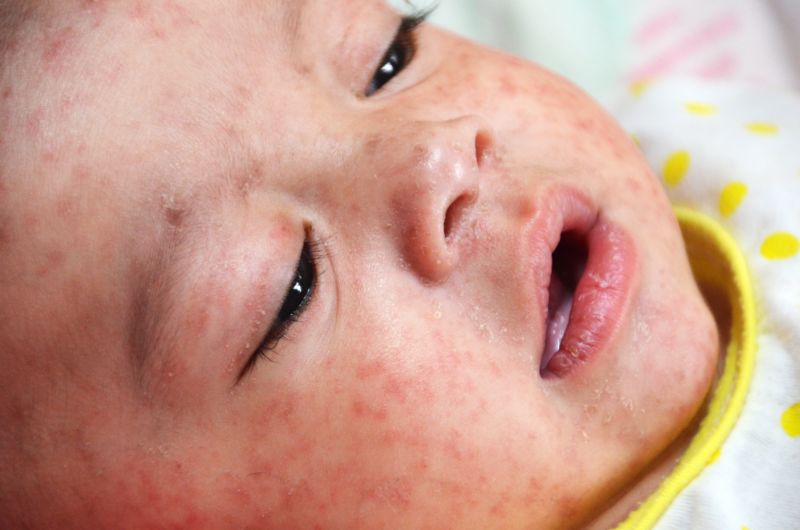
Enlarge / A baby with measles. CDC The Centers for Disease Control and Prevention is putting clinicians on alert about the growing r...

Popular Posts