Rechercher dans ce blog

Friday, September 23, 2022

COVID-19 Infections Increase Risk of Long-Term Brain Problems: Strokes, Depression, Anxiety, Migraines - SciTechDaily

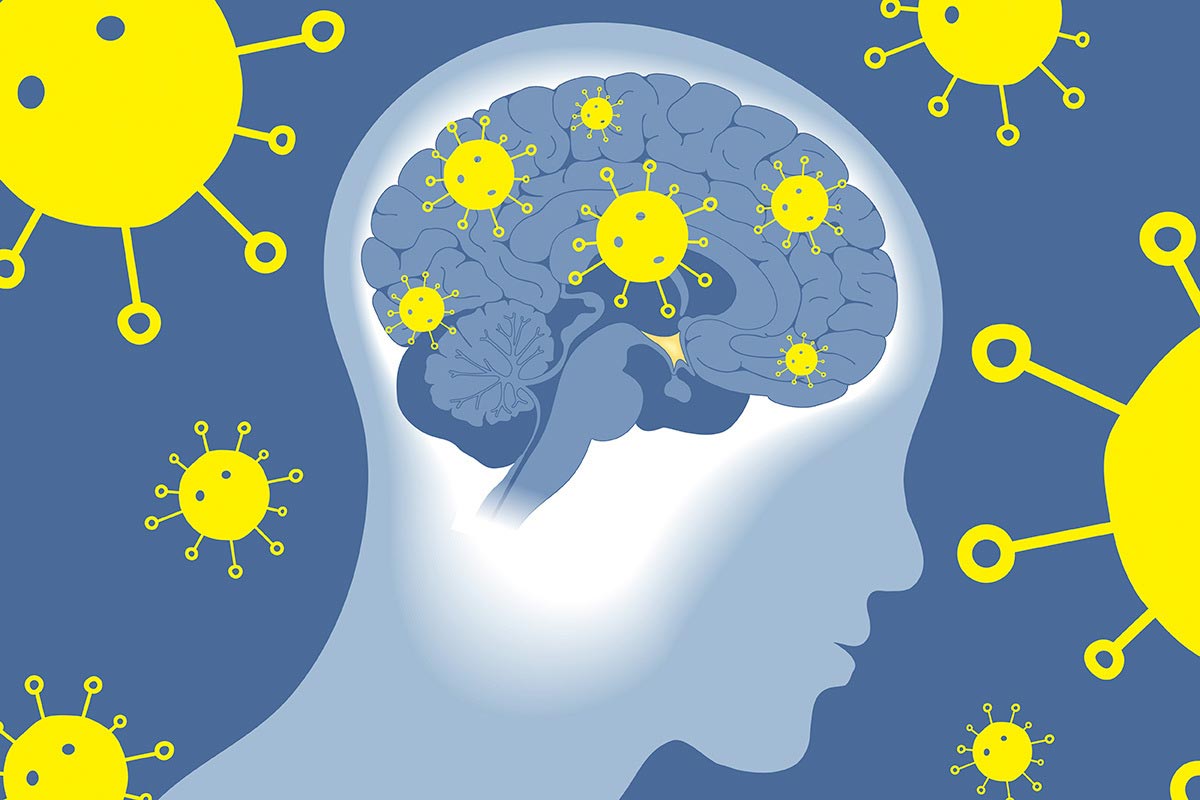
COVID-19 Brain

People who have had COVID-19 are at an elevated risk of developing neurological conditions within the first year after infection, according to a detailed analysis of federal data by researchers at Washington University School of Medicine in St. Louis. Movement disorders, memory problems, strokes, and seizures are among the complications. Credit: Sara Moser/Washington University School of Medicine

Strokes, seizures, memory, and movement disorders are among problems that develop in the first year after infection.

If you’ve had COVID-19, it may still be messing with your brain. According to new research, those who have been infected with the SARS-CoV-2 virus are at increased risk of developing a range of neurological conditions in the first year after the infection. A comprehensive analysis of federal health data reveals that such complications include strokes, cognitive and memory problems, anxiety, depression, and migraine headaches.

“Our study provides a comprehensive assessment of the long-term neurologic consequences of COVID-19.” — Ziyad Al-Aly, MD

In addition, the post-COVID brain is associated with movement disorders, from tremors and involuntary muscle contractions to epileptic seizures, balance and coordination difficulties, and hearing and vision abnormalities as well as other symptoms similar to what is experienced with Parkinson’s disease.

The findings, by researchers at Washington University School of Medicine in St. Louis and the Veterans Affairs St. Louis Health Care system, were published on September 22 in the journal Nature Medicine.

“Our study provides a comprehensive assessment of the long-term neurologic consequences of COVID-19,” said senior author Ziyad Al-Aly, MD, a clinical epidemiologist at Washington University. “Past studies have examined a narrower set of neurological outcomes, mostly in hospitalized patients. We evaluated 44 brain and other neurologic disorders among both nonhospitalized and hospitalized patients, including those admitted to the intensive care unit. The results show the devastating long-term effects of COVID-19. These are part and parcel of long COVID. The virus is not always as benign as some people think it is.”

Al-Aly said that overall, COVID-19 has contributed to more than 40 million new cases of neurological disorders worldwide.
Long COVID Brain

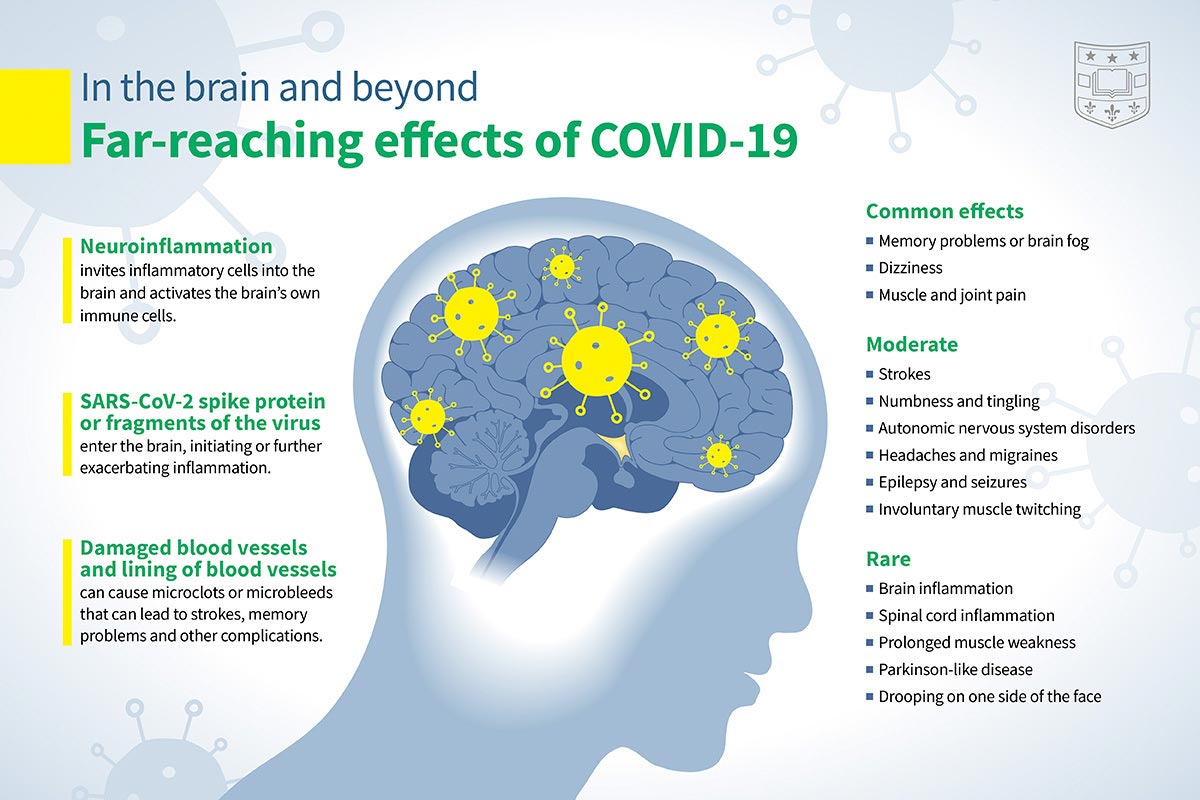
A comprehensive analysis of federal data by researchers at Washington University School of Medicine in St. Louis shows people who have had COVID-19 are at an elevated risk of developing neurological conditions within the first year after infection. Movement disorders, memory problems, strokes, and seizures are among the complications. Credit: Sara Moser/Washington University School of Medicine

Other than having a COVID-19 infection, specific risk factors for long-term neurological problems are lacking. “We’re seeing brain problems in previously healthy individuals and those who have had mild infections,” Al-Aly said. “It doesn’t matter if you are young or old, female or male, or what your race is. It doesn’t matter if you smoked or not, or if you had other unhealthy habits or conditions.”

Very few of the study participants were vaccinated for COVID-19. This is because the vaccines were not yet widely available during the time span of the study, which ran from March 2020 through early January 2021. Notably, the data also predates delta, omicron, and other COVID variants.

“Overall, COVID-19 has contributed to more than 40 million new cases of neurological disorders worldwide.”

A previous study led by Al-Aly that was published in Nature Medicine found that vaccines slightly reduce — by about 20% — the risk of long-term brain problems. “It is definitely important to get vaccinated but also important to understand that they do not offer complete protection against these long-term neurologic disorders,” Al-Aly said.

The scientists analyzed about 14 million de-identified medical records in a database maintained by the U.S. Department of Veterans Affairs. They are the nation’s largest integrated healthcare system, and patients included all ages, races, and sexes.

Next, the research team created a controlled data set of 154,000 people who had tested positive for COVID-19 sometime from March 1, 2020, through January 15, 2021, and who had survived the first 30 days after infection. Neurological outcomes in the COVID-19 data set were compared using statistical modeling with two other groups of people not infected with the virus: a control group of more than 5.6 million patients who did not have COVID-19 during the same time frame; and a control group of more than 5.8 million people from March 2018 to December 31, 2019, before the pandemic which as left millions across the globe infected and killed by the SARS-CoV-2 virus.

Ziyad Al-Aly, MD

Ziyad Al-Aly, MD, has led multiple studies on long COVID as a clinical epidemiologist at Washington University School of Medicine in St. Louis and the Veterans Affairs St. Louis Health Care system. His research has included the devastating effects of the virus on the heart, kidneys, and mental health. Credit: Matt Miller/Washington University School of Medicine

Brain health was analyzed by the scientists over a year-long period. Compared with those who had not been infected with the virus, neurological conditions were 7% more common in people with COVID-19. Extrapolating this percentage based on the number of COVID-19 cases in the U.S. translates to approximately 6.6 million people who have suffered brain impairments associated with the SARS-CoV-2 virus.

One of the most common brain-related, long-COVID symptoms is memory problems — colloquially called brain fog. People who contracted the virus were at a 77% increased risk of developing memory problems compared with those in the control groups. “These problems resolve in some people but persist in many others,” Al-Aly said. “At this point, the proportion of people who get better versus those with long-lasting problems is unknown.”

Interestingly, the research team noted an increased risk of Alzheimer’s disease among those infected with the virus. Compared with the control groups, there were two more cases of Alzheimer’s per 1,000 people with COVID-19. “It’s unlikely that someone who has had COVID-19 will just get Alzheimer’s out of the blue,” Al-Aly said. “Alzheimer’s takes years to manifest. But what we suspect is happening is that people who have a predisposition to Alzheimer’s may be pushed over the edge by COVID, meaning they’re on a faster track to develop the disease. It’s rare but concerning.”

Also, people who had the virus were 50% more likely to suffer from an ischemic stroke compared to the control groups. This is when a blood clot or other obstruction blocks an artery’s ability to supply blood and oxygen to the brain. Ischemic strokes account for the majority of all strokes, and can lead to difficulty speaking, vision problems, cognitive confusion, the loss of feeling on one side of the body, paralysis, permanent brain damage, and death.

“There have been several studies by other researchers that have shown, in mice and humans, that SARS-CoV-2 can attack the lining of the blood vessels and then trigger a stroke or seizure,” Al-Aly said. “It helps explain how someone with no risk factors could suddenly have a stroke.”

Overall, compared to the uninfected, people who had COVID-19 were 80% more likely to suffer from epilepsy or seizures, 43% more likely to develop mental health disorders such as anxiety or depression, and 35% more likely to experience mild to severe headaches. They were also 42% more likely to encounter movement disorders, which includes involuntary muscle contractions, tremors, and other Parkinson’s-like symptoms.

COVID-19 sufferers were also 30% more likely to have eye problems such as blurred vision, dryness, and retinal inflammation. They were also 22% more likely to develop hearing abnormalities such as tinnitus, or ringing in the ears.

“Our study adds to this growing body of evidence by providing a comprehensive account of the neurologic consequences of COVID-19 one year after infection,” Al-Aly said.

Long COVID’s effects on the brain and other systems emphasize the need for governments and health systems to develop policy, and public health and prevention strategies to manage the ongoing pandemic and devise plans for a post-COVID world, Al-Aly said. “Given the colossal scale of the pandemic, meeting these challenges requires urgent and coordinated — but, so far, absent — global, national, and regional response strategies,” he said.

Reference: “Long-term neurologic outcomes of COVID-19” by Evan Xu, Yan Xie and Ziyad Al-Aly, 22 September 2022, Nature Medicine.
DOI: 10.1038/s41591-022-02001-z

This research was funded by the U.S. Department of Veterans Affairs; the American Society of Nephrology; and KidneyCure. The data that support the findings of this study are available from the U.S. Department of Veterans Affairs. VA data are made freely available to researchers behind the VA firewall with an approved VA study protocol.

Adblock test (Why?)


Health - Latest - Google News
September 23, 2022 at 03:28PM
https://ift.tt/oLetdYF

COVID-19 Infections Increase Risk of Long-Term Brain Problems: Strokes, Depression, Anxiety, Migraines - SciTechDaily
Health - Latest - Google News
https://ift.tt/TVUgJHG

Thursday, September 22, 2022

COVID-19 Infections Increase Risk of Long-Term Brain Problems - Neuroscience News

Summary: COVID-19 infection has been linked to a range of lasting neurological and psychological disorders, including depression, memory problems, and Parkinson’s-like disorders, within the first year following infection.

Source: WUSTL

If you’ve had COVID-19, it may still be messing with your brain. Those who have been infected with the virus are at increased risk of developing a range of neurological conditions in the first year after the infection, new research shows.

Such complications include strokes, cognitive and memory problems, depression, anxiety and migraine headaches, according to a comprehensive analysis of federal health data by researchers at Washington University School of Medicine in St. Louis and the Veterans Affairs St. Louis Health Care system.

Additionally, the post-COVID brain is associated with movement disorders, from tremors and involuntary muscle contractions to epileptic seizures, hearing and vision abnormalities, and balance and coordination difficulties as well as other symptoms similar to what is experienced with Parkinson’s disease.

The findings are published Sept. 22 in Nature Medicine.

“Our study provides a comprehensive assessment of the long-term neurologic consequences of COVID-19,” said senior author Ziyad Al-Aly, MD, a clinical epidemiologist at Washington University.

“Past studies have examined a narrower set of neurological outcomes, mostly in hospitalized patients. We evaluated 44 brain and other neurologic disorders among both nonhospitalized and hospitalized patients, including those admitted to the intensive care unit.

“The results show the devastating long-term effects of COVID-19. These are part and parcel of long COVID. The virus is not always as benign as some people think it is.”

Overall, COVID-19 has contributed to more than 40 million new cases of neurological disorders worldwide, Al-Aly said.

Other than having a COVID infection, specific risk factors for long-term neurological problems are scarce.

“We’re seeing brain problems in previously healthy individuals and those who have had mild infections,” Al-Aly said. “It doesn’t matter if you are young or old, female or male, or what your race is. It doesn’t matter if you smoked or not, or if you had other unhealthy habits or conditions.”

Few people in the study were vaccinated for COVID-19 because the vaccines were not yet widely available during the time span of the study, from March 2020 through early January 2021. The data also predates delta, omicron and other COVID variants.

A previous study in Nature Medicine led by Al-Aly found that vaccines slightly reduce—by about 20%—the risk of long-term brain problems.

“It is definitely important to get vaccinated but also important to understand that they do not offer complete protection against these long-term neurologic disorders,” Al-Aly said.

The researchers analyzed about 14 million de-identified medical records in a database maintained by the U.S. Department of Veterans Affairs, the nation’s largest integrated health-care system. Patients included all ages, races and sexes.

They created a controlled data set of 154,000 people who had tested positive for COVID-19 sometime from March 1, 2020, through Jan. 15, 2021, and who had survived the first 30 days after infection.

Statistical modeling was used to compare neurological outcomes in the COVID-19 data set with two other groups of people not infected with the virus: a control group of more than 5.6 million patients who did not have COVID-19 during the same time frame; and a control group of more than 5.8 million people from March 2018 to December 31, 2019, long before the virus infected and killed millions across the globe.

The researchers examined brain health over a year-long period. Neurological conditions occurred in 7% more people with COVID-19 compared with those who had not been infected with the virus. Extrapolating this percentage based on the number of COVID-19 cases in the U.S., that translates to roughly 6.6 million people who have suffered brain impairments associated with the virus.

Memory problems—colloquially called brain fog—are one of the most common brain-related, long-COVID symptoms. Compared with those in the control groups, people who contracted the virus were at a 77% increased risk of developing memory problems.

“These problems resolve in some people but persist in many others,” Al-Aly said. “At this point, the proportion of people who get better versus those with long-lasting problems is unknown.”

Interestingly, the researchers noted an increased risk of Alzheimer’s disease among those infected with the virus. There were two more cases of Alzheimer’s per 1,000 people with COVID-19 compared with the control groups.

“It’s unlikely that someone who has had COVID-19 will just get Alzheimer’s out of the blue,” Al-Aly said.

“Alzheimer’s takes years to manifest. But what we suspect is happening is that people who have a predisposition to Alzheimer’s may be pushed over the edge by COVID, meaning they’re on a faster track to develop the disease. It’s rare but concerning.”

Also compared to the control groups, people who had the virus were 50% more likely to suffer from an ischemic stroke, which strikes when a blood clot or other obstruction blocks an artery’s ability to supply blood and oxygen to the brain.

Ischemic strokes account for the majority of all strokes, and can lead to difficulty speaking, cognitive confusion, vision problems, the loss of feeling on one side of the body, permanent brain damage, paralysis and death.

This shows an infographic from the study
A comprehensive analysis of federal data by researchers at Washington University School of Medicine in St. Louis shows people who have had COVID-19 are at an elevated risk of developing neurological conditions within the first year after infection. Movement disorders, memory problems, strokes and seizures are among the complications. Credit: Sara Moser/Washington University School of Medicine

“There have been several studies by other researchers that have shown, in mice and humans, that SARS-CoV-2 can attack the lining of the blood vessels and then then trigger a stroke or seizure,” Al-Aly said. “It helps explain how someone with no risk factors could suddenly have a stroke.”

Overall, compared to the uninfected, people who had COVID-19 were 80% more likely to suffer from epilepsy or seizures, 43% more likely to develop mental health disorders such as anxiety or depression, 35% more likely to experience mild to severe headaches, and 42% more likely to encounter movement disorders. The latter includes involuntary muscle contractions, tremors and other Parkinson’s-like symptoms.

See also

This shows a map of a synapse

COVID-19 sufferers were also 30% more likely to have eye problems such as blurred vision, dryness and retinal inflammation; and they were 22% more likely to develop hearing abnormalities such as tinnitus, or ringing in the ears.

“Our study adds to this growing body of evidence by providing a comprehensive account of the neurologic consequences of COVID-19 one year after infection,” Al-Aly said.

Long COVID’s effects on the brain and other systems emphasize the need for governments and health systems to develop policy, and public health and prevention strategies to manage the ongoing pandemic and devise plans for a post-COVID world, Al-Aly said.

“Given the colossal scale of the pandemic, meeting these challenges requires urgent and coordinated—but, so far, absent—global, national and regional response strategies,” he said.

About this neurology and COVID-19 research news

Author: Press Office
Source: WUSTL
Contact: Press Office – WUSTL
Image: The image is credited to Sara Moser/Washington University School of Medicine

Original Research: Open access.
Long-term neurologic outcomes of COVID-19” by Ziyad Al-Aly et al. Nature Medicine


Abstract

Long-term neurologic outcomes of COVID-19

The neurologic manifestations of acute COVID-19 are well characterized, but a comprehensive evaluation of postacute neurologic sequelae at 1 year has not been undertaken.

Here we use the national healthcare databases of the US Department of Veterans Affairs to build a cohort of 154,068 individuals with COVID-19, 5,638,795 contemporary controls and 5,859,621 historical controls; we use inverse probability weighting to balance the cohorts, and estimate risks and burdens of incident neurologic disorders at 12 months following acute SARS-CoV-2 infection.

Our results show that in the postacute phase of COVID-19, there was increased risk of an array of incident neurologic sequelae including ischemic and hemorrhagic stroke, cognition and memory disorders, peripheral nervous system disorders, episodic disorders (for example, migraine and seizures), extrapyramidal and movement disorders, mental health disorders, musculoskeletal disorders, sensory disorders, Guillain–BarrĂ© syndrome, and encephalitis or encephalopathy.

We estimated that the hazard ratio of any neurologic sequela was 1.42 (95% confidence intervals 1.38, 1.47) and burden 70.69 (95% confidence intervals 63.54, 78.01) per 1,000 persons at 12 months. The risks and burdens were elevated even in people who did not require hospitalization during acute COVID-19. Limitations include a cohort comprising mostly White males.

Taken together, our results provide evidence of increased risk of long-term neurologic disorders in people who had COVID-19.

Adblock test (Why?)


Health - Latest - Google News
September 22, 2022 at 11:34PM
https://ift.tt/4NRJ6og

COVID-19 Infections Increase Risk of Long-Term Brain Problems - Neuroscience News
Health - Latest - Google News
https://ift.tt/B5clez0

Wednesday, September 21, 2022

Two popular diabetes drugs outperformed others in large clinical trial - National Institutes of Health (.gov)

News Release

Wednesday, September 21, 2022

NIH-funded researchers complete first study comparing commonly used type 2 diabetes medications.

In a large clinical trial that directly compared four drugs commonly used to treat type 2 diabetes, researchers found that insulin glargine and liraglutide performed the best of four medications approved by the U.S. Food and Drug Administration to maintain blood glucose levels in the recommended range. Blood glucose management is a key component of keeping people with type 2 diabetes healthy. All four medications evaluated were added to treatment with metformin, which is the first-line drug to treat type 2 diabetes. The trial was funded by the National Institute of Diabetes and Digestive and Kidney Diseases (NIDDK), part of the National Institutes of Health.

More than 37 million Americans have diabetes, and approximately 90 to 95% of them have type 2 diabetes. People with diabetes who keep their blood glucose levels in the near-normal range generally have a much lower risk of developing diabetes complications such as nerve, kidney, and eye diseases. Most people with type 2 diabetes require more than one medication to control blood sugar levels over time. 

While there is general agreement among health care professionals that metformin combined with diet and exercise is the best early approach in diabetes care, there is no consensus on what to do next to best keep high blood glucose in check.

Launched in 2013, the Glycemia Reduction Approaches in Diabetes: A Comparative Effectiveness (GRADE) Study was conducted at 36 U.S. study centers. It was designed to compare four major medications approved by the FDA at the time GRADE started to treat diabetes in combination with metformin. Major results were published in a pair of papers in The New England Journal of Medicine.

“This study was designed to provide health care providers with important information on how to guide the long-term management of type 2 diabetes,” said Dr. Henry Burch, NIDDK’s project scientist for GRADE. “This is an integral step toward precision medicine for diabetes care, as these results can now be used in the decision-making process for each individual patient in light of their levels of glucose control, how well the medications are tolerated, and the person’s other health considerations.”

The study enrolled 5,047 people with type 2 diabetes from diverse racial and ethnic groups who were already taking metformin. Participants were randomly placed into one of four treatment groups. Three groups took metformin plus a medicine that increased insulin levels, sitagliptin, liraglutide, or glimepiride. The fourth group took metformin and insulin glargine U-100, a long-acting insulin.

After an average of four years of follow-up, the study found that participants taking metformin plus liraglutide or insulin glargine achieved and maintained their target blood levels for the longest time compared to sitagliptin or glimepiride. This translated into approximately six months more time with blood glucose levels in the target range compared with sitagliptin, which was the least effective in maintaining target levels. Treatment effects did not differ based on age, sex, race, or ethnicity.

However, none of the combinations overwhelmingly outperformed the others. Although average blood sugar levels decreased during the study, nearly three quarters of all participants were unable to maintain the blood glucose target over four years, underscoring the difficulty in maintaining recommended targets in many patients with type 2 diabetes.

“GRADE effectively shows which drugs worked best at achieving and maintaining blood glucose targets over time, but we need to establish even more effective strategies for the long-term maintenance of acceptable glucose levels,” said GRADE Study Chair Dr. David M. Nathan, director of the Massachusetts General Hospital Diabetes Center, Boston. “We still have more work to do, such as evaluating other interventions and treatment combinations to help people with type 2 diabetes achieve long-term glucose control.” 

The study also looked at the treatments’ effects on developing diabetes-related cardiovascular disease. Researchers found that participants in the liraglutide group were least likely to experience any cardiovascular disease overall compared to the other groups.

The study also examined side effects of the drugs, finding:

  • Severe hypoglycemia, often called a low blood glucose reaction, was generally uncommon, but affected more participants assigned to glimepiride (2.2%).
  • Gastrointestinal symptoms were more common with liraglutide than with the other three treatment groups.

In addition, on average, participants in all treatment groups lost weight. Over four years, people in the liraglutide and sitagliptin arms lost more weight (an average of 7 and 4 pounds, respectively) than the glargine and glimepiride arms (less than 2 pounds).

“With many treatment options available for type 2 diabetes, health care providers and patients can find it difficult to know which drug is best for which person,” said NIDDK Director Dr. Griffin P. Rodgers. “NIDDK stands uniquely poised to support comparative effectiveness trials like GRADE to help providers make evidence-based recommendations that lead to better health for their patients, and for all people living with type 2 diabetes.”

A now-available type of diabetes drug called SGLT2 inhibitors was not approved by the FDA at the launch of GRADE recruitment and was not included in the study.

The GRADE Study was supported by a grant from NIDDK (U01DK098246). Additional support was provided by the National Heart, Lung, and Blood Institute; National Institute of General Medical Sciences; National Center for Advancing Translational Sciences; the Centers for Disease Control and Prevention; and the American Diabetes Association. The Department of Veterans Affairs provided resources and facilities. Material support in the form of donated medications and supplies has been provided by Becton, Dickinson and Company, Bristol-Myers Squibb, Merck & Co., Inc., Novo Nordisk, Roche Diagnostics, and Sanofi. ClinicalTrials.gov number: NCT01794143.

The NIDDK, part of the NIH, conducts and supports basic and clinical research and research training on some of the most common, severe, and disabling conditions affecting Americans. The Institute’s research interests include diabetes and other endocrine and metabolic diseases; digestive diseases, nutrition, and obesity; and kidney, urologic, and hematologic diseases. For more information, visit https://www.niddk.nih.gov/.

About the National Institutes of Health (NIH): NIH, the nation's medical research agency, includes 27 Institutes and Centers and is a component of the U.S. Department of Health and Human Services. NIH is the primary federal agency conducting and supporting basic, clinical, and translational medical research, and is investigating the causes, treatments, and cures for both common and rare diseases. For more information about NIH and its programs, visit www.nih.gov.

NIH…Turning Discovery Into Health®

###

Adblock test (Why?)


Health - Latest - Google News
September 22, 2022 at 03:33AM
https://ift.tt/q9PrS1y

Two popular diabetes drugs outperformed others in large clinical trial - National Institutes of Health (.gov)
Health - Latest - Google News
https://ift.tt/B5clez0

Tuesday, September 20, 2022

Panel says US adults should get routine screening for anxiety - BBC

Stock image of woman sitting on a bed, facing a windowGetty Images

For the first time, a US government-backed expert panel has recommended that adults under 65 should be screened for anxiety disorders.

The influential US Preventive Services Task force also said that all adults should be checked for depression, consistent with past guidance.

The change follows widespread warnings from experts on the mental health toll of the Covid-19 pandemic.

The task force stopped short of a screening recommendation for suicide.

The panel acknowledged that suicide is a leading cause of death among American adults but said there was "not enough evidence on whether screening people without signs or symptoms will ultimately help prevent suicide".

In April, the panel issued similar guidance for children and adolescents, recommending anxiety screening for those aged between eight and 18.

The draft guidance is aimed at young and middle-aged adults, including those who are pregnant and post-partum. It envisions the mental health screening as part of routine visits with primary care physicians, said Dr Lori Pbert, a task-force member and professor in the Department of Population and Quantitative Health Sciences at UMass Chan Medical School.

"When you go to your primary care provider, you get screened for many, many preventive conditions - blood pressure, heart rate, all kinds of things," she said. "Mental health conditions are just important as other physical conditions, and we really need to be treating mental health conditions with the same urgency that we do other conditions."

The task force, comprised of 16 independent volunteers, provides guidance on preventive care measures. Insurance companies are often forced to cover services recommended by the task force, under a provision in the Affordable Care Act (informally known as Obamacare).

Tuesday's report referenced studies showing that screening improved identification and treatment of anxiety.

The recommendations are only for those who do not have a diagnosed mental health disorder or do not show recognised signs or symptoms.

"Anyone showing signs or symptoms of depression, anxiety, or suicide risk should be connected with care," Dr Pbert said.

Anxiety disorders - including generalised anxiety disorder, panic disorder and social anxiety, among others - are the most common mental illness in the US, affecting some 40 million adults every year.

"More common than strep throat," said Eugene Beresin, a psychiatrist who works as the executive director for the Clay Center for Young Healthy Minds.

The number of people suffering from mental illness jumped significantly over the course of the Covid-19 pandemic. A study published last year in the Lancet estimated that the pandemic led to an additional 53.2 million cases of major depressive disorder and 76.2 million cases of anxiety disorder across the world.

Experts have applauded the screening recommendation, but some - like Dr Beresin - have warned that screening alone will be insufficient to address a mounting mental health crisis.

"The problem is we don't have the work force to really take care of this," he told the BBC, adding that the country's 258 million adults had around 125,000 psychiatrists and psychologists between them.

"So what are we going to do?" he said.

Dr Pbert said she shares his concern.

The hope, she said, is that wide-spread screenings can bring awareness to an overburdened system.

"We know that we have an undersized mental health care workforce," she said. "We'll need to expand that workforce to meet the demand."

Adblock test (Why?)


Health - Latest - Google News
September 21, 2022 at 03:04AM
https://ift.tt/fbTNIet

Panel says US adults should get routine screening for anxiety - BBC
Health - Latest - Google News
https://ift.tt/zlkDj67

Health Panel Recommends Anxiety Screening for All Adults Under 65 - The New York Times

The guidance comes as Americans are coping with illness, isolation and loss from the pandemic, as well as other stressors like inflation and rising crime.

A panel of medical experts on Tuesday recommended for the first time that doctors screen all adult patients under 65 for anxiety, guidance that highlights the extraordinary stress levels that have plagued the United States since the start of the pandemic.

The advisory group, called the U.S. Preventive Services Task Force, said the guidance was intended to help prevent mental health disorders from going undetected and untreated for years or even decades. It made a similar recommendation for children and teenagers earlier this year.

The panel, appointed by an arm of the federal Department of Health and Human Services, has been preparing the guidance since before the pandemic. The recommendations come at a time of “critical need,” said Lori Pbert, a clinical psychologist and professor at the University of Massachusetts Chan Medical School, who serves on the task force. Americans have been reporting outsize anxiety levels in response to a confluence of stressors, including inflation and crime rates, fear of illness and loss of loved ones from Covid-19.

“It’s a crisis in this country,” Dr. Pbert said. “Our only hope is that our recommendations throw a spotlight on the need to create greater access to mental health care — and urgently.”

From August 2020 to February 2021, the percentage of adults with recent symptoms of an anxiety or a depressive disorder increased to 41.5 percent from 36.4 percent, according to one study cited by the task force.

The guidance was issued in draft form. The panel will finalize it in the coming months after reviewing public comments. While the panel’s recommendations are not compulsory, they heavily influence the standard of care among primary care physicians across the country.

In response to the recommendations, mental health care providers emphasized that screening programs are useful only if they lead patients to effective solutions. At a time when the country is “short on mental health resources on all levels — psychiatrists, psychologists, and therapists — that’s a real concern,” said Dr. Jeffrey Staab, a psychiatrist and chair of the department of psychiatry and psychology at Mayo Clinic in Rochester, Minn.

“We can screen lots of people, but if that’s all that happens, it’s a waste of time,” said Dr. Staab, who is not on the task force.

Psychiatrists, while pleased with the attention on mental health, also underscored that a standardized screening is only the first step toward a diagnosis, and that providers will need to guard against assuming that a positive screening result indicates a clinical disorder.

For many Americans, the screening could simply reveal a temporary period of distress and a need for extra support.

“When providers say, ‘You must have a disorder, here, take this,’ we could face an overprescribing problem,” Dr. Staab said. “But the opposite scenario is that we have lots of people suffering who shouldn’t be. Both outcomes are possible.”

Rising mental health issues are not unique to the United States. Anxiety and depression increased by 25 percent globally during the first year of the pandemic, according to the World Health Organization, and has only partially improved since.

About a quarter of men and about 40 percent of women in the United States face an anxiety disorder in their lifetimes, according to the task force, though much of the data is outdated. Women have nearly double the risk of depression compared with men, studies show, and the recommendation paid special attention to screenings for pregnant and postpartum patients.

Physicians typically use questionnaires and scales to survey for mental health disorders. According to the recommendations, positive screening results would lead to additional assessments at the provider’s discretion, depending on underlying health conditions and other life events.

Some primary care physicians expressed concern that adding an additional responsibility to their wide-ranging checklist for brief patient appointments is implausible.

Dr. Pbert of the task force said that those providers should “do what they already do on a daily basis: Juggle and prioritize.”

She also said the task force’s rigorous review of available studies revealed that people of color are often underrepresented in mental health research, which, if not addressed, could contribute to a cycle of inequity.

Mental health disparities are rampant in the United States, where Black patients are less likely to be treated for mental health conditions than are white patients, and Black and Hispanic patients are both more frequently misdiagnosed. From 2014 to 2019, the suicide rate among Black Americans increased by 30 percent, data shows.

Standardizing screening for all patients could help combat the effects of racism, implicit bias and other systemic issues in the medical field, Dr. Pbert said.

The task force panel did not extend its screening recommendations to patients 65 and older. It said there was no clear evidence regarding the effectiveness of screening tools in older adults because anxiety symptoms are similar to normal signs of aging, such as fatigue and generalized pain. The panel also said it lacked evidence on whether depression screening among adults who do not show clear signs of the disorder would ultimately prevent suicides.

The task force will accept public comments on the draft recommendation through Oct. 17.

Adblock test (Why?)


Health - Latest - Google News
September 21, 2022 at 05:05AM
https://ift.tt/c6o7sil

Health Panel Recommends Anxiety Screening for All Adults Under 65 - The New York Times
Health - Latest - Google News
https://ift.tt/zlkDj67

China health chief warns against 'skin-to-skin contact with foreigners' amid first case of monkeypox - Yahoo News

A senior Chinese health official recently warned people on social media not to touch foreigners as the country reported its first case of monkeypox.

In a Weibo post on Saturday, Wu Zunyou, the Chinese Center for Disease Control and Prevention’s chief epidemiologist, announced that China now has one case of monkeypox that “slipped through the net” despite tight COVID-19 restrictions.

"It is necessary and important to strengthen the monitoring and prevention of monkeypox," Wu wrote.

He also listed five recommendations in the post, with the first one causing controversy online.

More from NextShark: Kris Wu faces possible 3 to 10 years in jail if convicted of rape charges at Beijing secret trial

“To prevent possible monkeypox infection and as part of our healthy lifestyle, it is recommended that 1) you do not have direct skin-to-skin contact with foreigners,” he wrote.

Chinese health authorities reportedly detected monkeypox, an infection that causes flu-like symptoms, severe rashes and other symptoms, from an “international arrival” under COVID-19 quarantine in Chongqing, a municipality in southwest China.

Many Weibo users reportedly shared Wu’s post, with some supporting his advice and expressing relief for not knowing many non-Chinese nationals. However, some users criticized Wu’s message and even compared it to what Asians experienced at the beginning of the COVID-19 pandemic.

More from NextShark: Snapchat Releases New Content to Mark Asian Pacific Islander Desi American Heritage Month

This is a bit like when the pandemic began, when some people overseas avoided any Chinese people they saw out of fear," one user commented. “I don't believe these two things have any scientific basis, they are too broad and will exacerbate public panic."

"When the pandemic first began, some of our foreign friends stood up and used our own platforms to tell everybody, 'Chinese people are not the virus,'" another user wrote. Afterward, when the domestic outbreak was brought under control and our foreign friends began to face discrimination, many Chinese people with their own platforms were completely silent."

Other Weibo users questioned Wu’s post, asking why long-time foreigners in China are supposedly more dangerous than locals.

More from NextShark: Two men stabbed multiple times while trying to help 61-year-old Asian woman being robbed in Queens

On Sunday, the comments section of Wu’s post, which circulated widely on Weibo over the weekend, was disabled.

The senior health official clarified his post on Monday following the backlash, advising people to avoid “intimate direct skin-to-skin contact” with foreigners or people who have traveled from areas with confirmed cases of monkeypox.

Some Chinese experts believe that unlike COVID-19, which triggered sudden lockdowns across the country – including the months-long lockdown in Shanghai that started in late March – monkeypox will not lead to nationwide lockdowns.

More from NextShark: Dramatic rescue video shows trapped elephant calf and mother saved from manhole in Thailand

Speaking to the Global Times, Lu Hongzhou, head of the Third People's Hospital of Shenzhen, said the disease “poses little threat to Chinese communities.” However, Lu also mentioned strict customs quarantine inspection to avoid imported cases in China.

As of Sept. 19, the Center for Disease Control and Prevention has logged 23,893 confirmed cases of monkeypox in the United States, with California having the highest recorded number at 4,656 infections, followed by New York at 3,755 infections.

Featured Image via Peking University

Adblock test (Why?)


Health - Latest - Google News
September 20, 2022 at 11:37PM
https://ift.tt/qk2EVA9

China health chief warns against 'skin-to-skin contact with foreigners' amid first case of monkeypox - Yahoo News
Health - Latest - Google News
https://ift.tt/XdHWbhR

Monday, September 19, 2022

Adult member of Boston Public Schools community tests positive for monkeypox, officials say - The Boston Globe

A member of the Boston Public Schools community has tested positive for monkeypox, school officials said Monday.

In an email to families, incoming Superintendent Mary Skipper and acting superintendent Drew Echelson said “the health and well-being of our students and staff is a top priority.”

“With that in mind, we wanted to share an important update with you that the Boston Public Health Commission (BPHC) informed us that an adult member of our BPS community has been diagnosed with monkeypox,” they wrote.

Officials would not say whether the person works for the school system or is a member of the school community in some other capacity.

At an unrelated news conference Monday, Mayor Michelle Wu told reporters that the health commission informed her over the weekend that a monkeypox case “had been identified in an adult at one of our schools.”

Wu said school officials are monitoring the situation closely and that she’s “very grateful for the incredible public health infrastructure that we have in the city to be able to identify things so quickly and then spring into action with resources.”

Officials said they have worked with the Boston Public Health Commission and the affected person to identify and notify anyone who may have been exposed. Officials also alerted the school the person is affiliated with.

“If you did not receive an individual call or a specific school communication, your school community is not impacted,” officials wrote. “We are sharing this information in accordance with our commitment to transparency and educational awareness. In general, the risk of monkeypox transmission to the community remains very low.”

The note said the affected person is isolating until it’s safe for them to be around others. The commission will offer vaccines to exposed contacts, who can continue their normal activities as long as they don’t have symptoms.

Over the weekend, crews cleaned and disinfected the affected school building, as recommended by the Centers for Disease Control and Prevention.

This is a breaking news story that will be updated when more information becomes available.


Travis Andersen can be reached at travis.andersen@globe.com. Follow him on Twitter @TAGlobe.

Adblock test (Why?)


Health - Latest - Google News
September 19, 2022 at 08:31PM
https://ift.tt/6ENGeBI

Adult member of Boston Public Schools community tests positive for monkeypox, officials say - The Boston Globe
Health - Latest - Google News
https://ift.tt/jXx86a2

Featured Post

Measles is “growing global threat,” CDC tells doctors in alert message - Ars Technica

Enlarge / A baby with measles. CDC The Centers for Disease Control and Prevention is putting clinicians on alert about the growing r...

Popular Posts