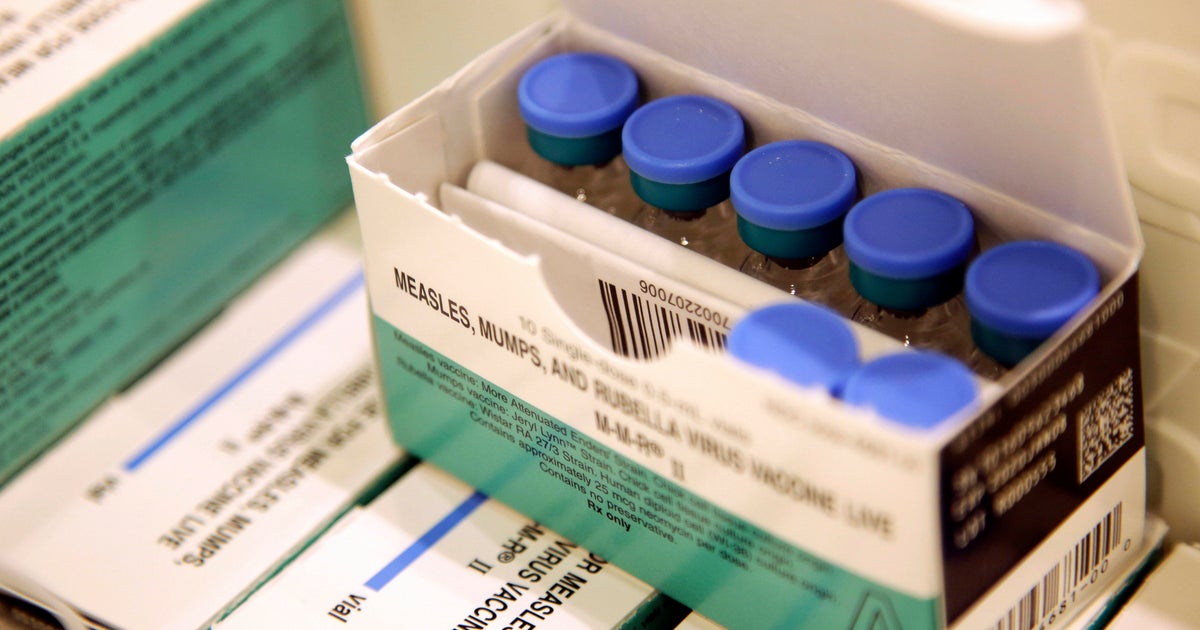
A New York midwife who gave nearly 1,500 children homeopathic pellets instead of required vaccinations was issued an unprecedented $300,000 fine for putting "lives in jeopardy," the state's health department announced this week.
Jeanette Breen, who operates Baldwin Midwifery on Long Island, administered the pellets as an alternative to vaccinations and then falsified their immunization records, the agency said Wednesday.
The scheme, which goes back least to the 2019-2020 school year, involved families throughout the state, but the majority reside on suburban Long Island. In 2019, New York ended a religious exemption to vaccine requirements for schoolchildren.
The health department said immunization records of the children who received the falsified records have been voided, and their families must now prove the students are up-to-date with their required shots or at least in the process of getting them before they can return to school.
"Misrepresenting or falsifying vaccine records puts lives in jeopardy and undermines the system that exists to protect public health," State Health Commissioner James McDonald said in a statement.
Breen, a state-licensed healthcare provider, supplied patients with the "Real Immunity Homeoprophylaxis Program," a series of oral pellets that are marketed as an alternative to vaccination but are not recognized or approved by state or federal regulators as valid immunizations, according to the health department.
She administered 12,449 of the fake immunizations to roughly 1,500 school-aged patients before submitting information to the state's immunization database claiming the children had received their required vaccinations against measles, mumps, rubella, polio, chickenpox, diphtheria, tetanus, pertussis, hepatitis B and a host of other diseases, the department said.
"By intentionally falsifying immunization records for students, this licensed health care professional not only endangered the health and safety of our school communities but also undermined public trust," State Education Commissioner Betty A. Rosa said in a statement.
Breen's lawyer said Thursday that his client cooperated with investigators, paid her fine and intends to comply with all other requirements of her agreement with health officials.
"Suffice it to say, Ms. Breen has provided excellent midwifery services for many years to many families, especially on Long Island. She is now toward the end of her career," David Eskew wrote in an emailed statement. "From her perspective, this matter is over, done with, and closed and she is now moving on with her life."
As part of the settlement, Breen has paid $150,000 of the $300,000 penalty, with the remainder suspended contingent upon her complying with state health laws and never again administering any immunization that must be reported to the state, according to the health department. She's also permanently banned from accessing the state's immunization records system.
Erin Clary, a health department spokesperson, said Thursday that while parents and legal guardians had sought out and paid Breen for her services, they weren't the focus of the agency's investigation.
State health officials say they're now in the process of notifying hundreds of affected school districts.
Director of Investigations Joseph Giovannetti called the case against Breen a "first-of-its-kind investigation."
"Anyone involved in immunization fraud is on notice: Rooting out, combating, and preventing all forms of vaccination fraud is a top priority for the Bureau of Investigations, and we will continue to bring enforcement action against any offender who endangers the health of our communities and abuses our public health systems with this type of illegal activity," he said in a statement.
Health - Latest - Google News
January 19, 2024 at 06:18PM
https://ift.tt/SCmBDcJ
Midwife who gave 1500 kids homeopathic pellets instead of vaccines put "lives in jeopardy," New York health officials say - CBS News
Health - Latest - Google News
https://ift.tt/bjCm41s
IE 11 is not supported. For an optimal experience visit our site on another browser.
Border crisis is key issue with NH primary just 5 days way
01:54
U.S. launches new strikes on Houthi targets
02:04
Chicago man takes cold plunge in Lake Michigan during deep freeze
01:39
Now Playing
Studies show multivitamins may help with memory loss
02:00
UP NEXT
Explosion levels building in Washington, D.C.
01:22
DOJ releases scathing investigation into Uvalde law enforcement response
03:04
Unrelenting winter storm impacting tens of millions across the U.S.
02:20
Trump attends court as critical NH primary looms
02:30
Kate, the Princess of Wales, hospitalized for weeks
01:34
Frigid winter weather causes challenges for electric vehicle owners
01:47
With Boeing 737 MAX 9 fleet still grounded, FAA completes first group of inspections
01:33
China reveals big drop in birth rate
00:49
Palestinian American college student paralyzed in Vermont shooting speaks out for the first time
02:43
Colorectal cancer on the rise for younger Americans
01:51
Roseland Portrait Project celebrates people from Chicago south side neighborhood
01:44
U.S. striking back against Houthi rebels amid increased tensions in region
02:08
Gilgo Beach suspect charged in fourth murder
02:00
Massive winter storm impacting tens of millions
01:43
War in Gaza takes heavy toll on children
02:14
Trump moves on to New Hampshire after landslide Iowa win
02:46
One in nine adults say they have experienced confusion or memory loss, according to the CDC. A new study says multivitamins may help. It found that participants taking multivitamins daily prevented memory loss and slowed down the process of cognitive aging by the equivalent of two years compared to a placebo group. NBC News’ Stephanie Gosk reports on what doctors say to know. Jan. 19, 2024
One of those who knows the shock of a diagnosis is Tristan Evans.
“Every once in a while I’d get this sharp shooting pain in my abdomen and in my lower extremities,” Evans recalled. “I kind of brushed it off and thought maybe it was just my body getting over.”
When his symptoms got worse, Evans went to see a doctor. What he thought were just normal pains, turned out to be several polyps and two tumors.
“My eyebrows were just like, what? I was like what are you talking about!” he said. “They found out it was stage three colon cancer.”
Evans was told he’d likely lose most of his large intestine. With no known family history of the disease, Evans said “it was a gut punch.”
Even more unexpected was receiving the diagnosis at 42, three years before African Americans with his background are even recommended to begin colonoscopies. Those of average risk aren’t recommended to begin screenings until 50.
Evans said he immediately thought of his family. At the time, he and his wife had three children: two toddlers and a six-month-old.
As a Black man, Evans was 40% more likely to die from colon cancer than other races.
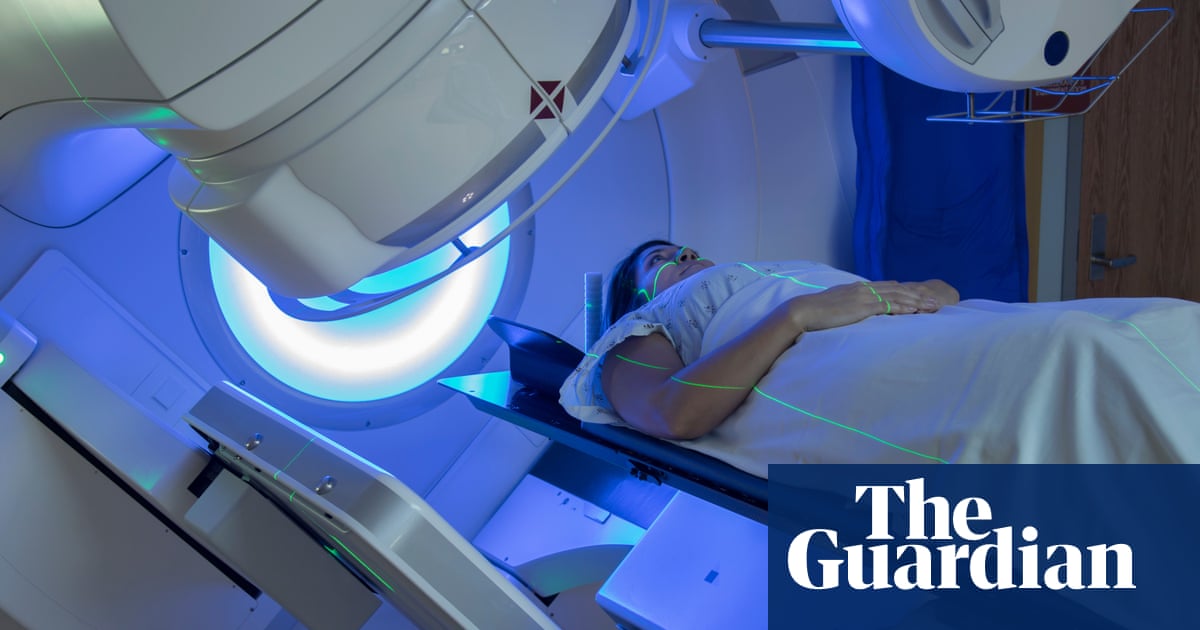
Thankfully, after several weeks of radiation and months of chemotherapy, Evans survived.
He now works as a volunteer health ambassador with the Duke Cancer Institute. He shares his story to advocate for increased screenings, especially among minority populations.
“For minorities, we also have another mentality too that we’re hardworking people, we’re going to work through this, a little bit of pain, ‘Oh that’s nothing, we’ll walk it off.’ But no, when your body is telling you something’s not right, especially nowadays, talk to your doctor,” he said.
After his diagnosis, Evans said several of his family members went to be tested and some also found polyps which needed to be removed. He now hopes others will use his story as a warning of why you need to pay attention to the warning signs your body is giving you.
“If we hadn’t gone to the doctor… I didn’t have three years to wait,” he warned.
According to the CDC, common early symptoms of colon cancer can include: changes in bowel habits, bloody stool, diarrhea, abdominal pain or aches and unexplained weight loss. If you experience any of these symptoms, contact your healthcare provider.
Health - Latest - Google News
January 19, 2024 at 02:48AM
https://ift.tt/yALJw2N
New data shows colon cancer remains among deadliest cancers in U.S., warning signs one survivor says saved his life - WRAL News
Health - Latest - Google News
https://ift.tt/51gEYGI
For years, colon cancer has been on the rise in younger people for unclear reasons. While cancer deaths in the U.S. are falling overall, a new report from the American Cancer Society highlights how the increase in colon cancer, as well as some other cancers, is threatening to buck that trend.
In the late 1990s, colorectal cancer was the fourth-leading cause of cancer deaths in men and women under 50. But new data shows that it is now the top cause of cancer death in men under 50 and second to only breast cancer for women in the same age group.
"Cancer patients are increasingly shifting from older to middle‐aged individuals who have many more years of life expectancy, and thus, opportunity to experience the late effects of treatment, including subsequent cancers," the study authors wrote.
“The continuous sharp increase in colorectal cancer in younger Americans in alarming,” said senior study author Dr. Ahmedin Jemal, senior vice president of surveillance and health equity science at the American Cancer Society, in a press release. He called for an increase in screening for people between 45 and 49, especially for those with a genetic predisposition for colon cancer.
"As a nation, we’ve dropped the ball on cancer prevention as incidence continues to increase for many common cancers — like breast, prostate, and endometrial, as well as colorectal and cervical cancers in some young adults," added Rebecca Siegel, senior scientific director, surveillance research at the American Cancer Society and lead author of the report, in the press release.
The increase in colorectal cancer specifically may be due to factors such as more processed foods, higher rates of alcohol consumption and obesity, and more sedentary lifestyles, Dr. William Dahut, chief scientific officer for the American Cancer Society, tells TODAY.com. But there's likely something else at play, too, that's more elusive.
“It’s at least possible that those are the things driving this. We do see more men than women having colorectal cancer,” Dahut says. “Whether that’s again due to a poor diet or obesity and less exercise is at least a possibility.”
Carmen Susman always said he'd hike, kayak and fish on Lake Erie more but never followed through. After experiencing stage 4 colorectal cancer and being successfully treated, he's trying things he thought
When Carmen Susman, 47, experienced bladder problems, a doctor suspected he might have kidney stones. An ultrasound of his kidneys unmasked an unexpected diagnosis: He had a mass on his liver. Further testing revealed it wasn’t liver cancer, but instead it was stage 4 colorectal cancer.
“When I was diagnosed, I was feeling great. My wife and I, we were exercising together every day. I had all kinds of energy. I was happy. I felt fantastic,” Susman, a stay-at-home dad from Cleveland, tells TODAY.com. “Then you get this punch in the chest saying you have cancer. I’m like, ‘How can I have cancer if I feel this good?’”
Urinary issues lead to an unexpected diagnosis
Susman noticed he’d feel the urgency to urinate but couldn’t. He visited a urologist to understand what was happening, and that doctor thought he should undergo an ultrasound to look for kidney stones. The scan revealed he had a horseshoe kidney, a condition where the two kidneys are fused at the bottom, which can be asymptomatic. More worrisome, it showed a mass on his liver, and doctors ordered an MRI to learn more.
“There was a nurse saying, ‘We see this all the time. People come in, and it could be some fatty mass there. You’re going to be fine,’” Susman says. “After the MRI, they knew. … Her demeanor completely changed, and I was just crushed walking out that day. I knew that something was wrong.”
At first, doctors thought it was liver cancer.
“It’s pretty much endgame,” he says. “For about three weeks, until I started meeting with some doctors, that’s what I was thinking — that I had about a year or two to live.”
But his doctors knew that primary liver cancer was rare, so they performed a colonoscopy, and they found a tumor in his rectum. (When he was diagnosed, he had not had a chance to schedule his first colonoscopy yet).
“They were like, ‘OK, you don’t have liver cancer. It’s rectal cancer, and here’s the plan: We’re going to do radiation, chemo and curative surgery,’” he recalls. “I’m like, ‘Would you say that again? Can you go back to the heart of it?’ It went from me thinking that I have a year with my kids and my wife to really hoping to move forward.”
Susman’s cancer had metastasized to his liver. Still, he felt surprised that doctors considered it curable. He went through short term radiation, which was five days of back-to-back targeted treatment. Then he started chemotherapy.
“Your body immediately starts getting drained and you can start to feel different,” Susman says.
Two weeks into it, he began throwing up bile and he rushed to the emergency room. Susman had a blockage in his intestine that needed to be removed immediately.
“I had to have emergency surgery, and they (placed) a colostomy bag because I was just so backed up,” he says. “It delayed the chemo treatment; it delayed the surgery. So, it got to the point where I was trying to do anything possible just not to delay anything else.”
Symptoms of colorectal cancer in young patients
Once considered an older person’s cancer, colon cancer diagnoses in young people have experienced a dramatic increase since the 1990s. A March 2023 report from the American Cancer Society found that people under 55 made up almost double the percent of colon cancer diagnoses in 2019 compared to 1995 — 20% versus 11%.
“If you went back to not that along ago, in the ‘90s, only one out of five colorectal cancers are being diagnosed in people under the age of 55,” Dahut says. “That’s a big change in a relatively small period of time.”
Dr. David Liska, director of the Young-Onset Colorectal Cancer Center at Cleveland Clinic, says the reasons for the increase are unclear.
“The quick answer is we don’t have a perfect understanding of why it is happening,” he tells TODAY.com. “We do know that it is happening, and it’s happening consistently now for the last two decades at least. And it’s happening all over the Western world.”
“If the current pace continues, by 2030, the rate of colon cancer in young adults, meaning people under the age of 50, will have doubled, and for rectal cancer, it will actually have quadrupled,” Liska says. “It’s probably an interplay of both environmental factors and some host-related factors.”
Still, diet, lack of exercise and obesity can’t provide a complete understanding of why rates increase.
“I have plenty of patients who are young and healthy and fit and can still get colorectal cancer,” Liska says. “So, it’s not the full story.”
Common symptoms of colon cancer include:
For some, the stigma of sharing bowel symptoms might keep them from telling their doctor.
“Patients don’t necessarily bring up the symptoms,” Liska says. “It’s a topic that people aren’t comfortable talking about.”
When to get screened
Colorectal cancers can be detected early in a precancerous state, one of the few cancers that can, the experts say. That’s why screening through a colonoscopy remains essential. Starting at age 45, people should be undergoing a colonoscopy.
Another reason screening is important is that "it is common" for some patients not to have symptoms, Liska says, adding, “(The younger patients) are usually diagnosed because of colonoscopy.”
Colonoscopies also give doctors a chance to remove any precancerous polyps they may find.
“The vast majority of polyps that are found during colonoscopies are removed then and there during the colonoscopy,” Liska says. “(We) stop the polyp in its tracks and prevent the cancer."
The American Cancer Society, the U.S. Preventative Services Task Force (USPSTF), and the American College of Radiology all recommend that people who have an average risk of colon cancer (no family history) start screening at age 45.
However, the guidance around colon cancer screening can be confusing. There are multiple ways to screen for colon cancer, such as stool tests or a colonoscopy, and different expert groups have different guidance on when to get screened based on your risk.
For example, the American College of Physicians announced in July 2023 that “average-risk adults” who aren’t experiencing colon cancer symptoms can wait until age 50 to get screened. And a study from October 2022 caused an uproar when it concluded that colonoscopies are associated with little-to-no decreased risk of death (though the data actually told a more complicated story, experts told TODAY.com at the time).
The bottom line on colon cancer screening is to talk to your doctor about your own individual risk of colon cancer and assess together when to start, according to Dr. Cedrek McFadden, board certified colorectal surgeon. Most insurances will cover colon cancer screening for average risk patients starting at age 45 since they tend to take the lead of the USPSTF.
If you have symptoms or are high risk for colon cancer, you’ll likely need to start screening before turning 45. But again, speak with your health care provider.
Recovering from colorectal cancer
After doctors addressed the blockage in his intestine, Susman resumed treatment and underwent surgery to remove the rectal and liver tumors in July 2022.
“There wasn’t any spread in the liver,” he says. “There was nothing really left of the tumor to begin with before surgery.”
Susman’s lymph nodes and bloodwork did not show any further signs of cancer. In November 2022, they reversed his ileostomy, and he no longer needs a colostomy bag.
“We’re starting to return to normal," he says. "I am living a normal life. Physically I have the energy level. I’m able to run around with my kids again, exercising again.”
Grappling with the feelings of having cancer feels a little tougher to Susman.
“You’re doing these scans and you’re doing this bloodwork thing, and it’s almost a bimonthly reminder (that) something could go wrong,” he says. “Something could change.”
He encourages loved ones to keep up with their colonoscopies.
“There’s almost a stigma around any type of conversation surrounding that,” Susman says. “If you don’t have symptoms, go get a colonoscopy at 45, and if you have any type of bigger irregularities, go get it checked."
His experience with cancer changed his perspective on life. Before, he’d put off bucket list goals, thinking he’d have plenty of time to get to them. Now, he’s seizing the moment.
“You can’t go out and buy time, but I feel like I was gifted time,” he says. “A lot of people don’t get that.”
This article was originally published on TODAY.com
Health - Latest - Google News
January 18, 2024 at 01:27AM
https://ift.tt/m4nXilT
Colon cancer is now the top cause of cancer death in young men: 1 dad recalls his early symptoms - Yahoo News
Health - Latest - Google News
https://ift.tt/Zk5umUA
Fewer Americans are dying of cancer, part of a decades-long trend that began in the 1990s as more people quit smoking and doctors screened earlier for certain cancers.
However, the American Cancer Society warned that those gains are threatened by an increase in cancers among people younger than 55, in particular cervical and colorectal cancer, and by the continued disparities between white Americans and people of color.
“The continuous sharp increase in colorectal cancer in younger Americans is alarming,” said Dr Ahmedin Jemal, senior vice-president for surveillance and health equity science at the American Cancer Society and senior author of the study published on Wednesday in CA: A Cancer Journal for Clinicians. His comments came in a press release accompanying the findings.
Cancer is the second leading cause of death in the United States behind heart disease, with smoking a major contributor to both causes of death. As more Americans have quit smoking, rates of and deaths from smoking-related cancers have experienced a long decline.
Problematically, younger people have seen a steady increase in cancer diagnoses through the same period, with colorectal cancer of particular concern to researchers. The rate of people younger than 55 diagnosed with colorectal cancer has increased 1%-2% annually since the 1990s, and is now the first leading cause of cancer death for men and second for women (behind breast cancer).
“We need to halt and reverse this trend by increasing uptake of screening, including awareness of non-invasive stool tests with follow-up care, in people 45-49 years, [old]” said Jemal.
Although cancer remains primarily a disease of the elderly, the increase in cancers in younger people is part of a global medical mystery. The trend is particularly pronounced in developed regions, such as North America, Australia and western Europe.
“On the whole, the more developed the country and region, the higher the incidence of early-onset cancer,” authors of a recent article in BMJ Oncology said. Although the increase may be partially attributable to earlier screening, there may also be links to “potential risk factors” particular to developed nations.
Writing in Nature, a group of specialist doctors summarized the risk factors that researchers are now examining, including “a Western-style diet, obesity, physical inactivity and antibiotic use, especially during the early prenatal to adolescent periods of life”, that changes the gut microbiome.
In addition to the physical impact of a cancer diagnosis on younger people, researchers worried about how this group of diseases affects people in middle age, often seen as the prime of life.
“People younger than 65 are less likely to have health insurance and more likely to be juggling family and careers,” said Dr William Dahut, chief scientific officer at the American Cancer Society, said in a statement. “Also, men and women diagnosed younger have a longer life expectancy in which to suffer treatment-related side effects, such as second cancers.”
Another concern for doctors is widening racial disparities and increases in uterine (endometrial) cancer deaths. Black Americans are now twice as likely to die from uterine cancer (9.1 deaths per 100,000 people) than white Americans (4.6 deaths per 100,000 people), with incidence increasing steadily at 2% a year.
Stomach and prostate cancers have also seen widening disparities between white and Black Americans. Similarly, mortality rates for Native Americans are twice that of their white counterparts for liver, stomach and kidney cancers.
Drinking a glass or more of 100% fruit juice each day was linked to a small increase in weight in children and adults, according to a new analysis of prior studies.
“One fundamental problem with juice is quantity; consuming fruit this way makes it so easy to overdose,” said coauthor and leading nutrition researcher Dr. Walter Willett, a professor of epidemiology and nutrition at Harvard T.H. Chan School of Public Health and professor of medicine at Harvard Medical School in Boston.
“For example, how often do we eat three oranges? Yet, a glass of OJ is about three oranges that can be consumed in a minute or two, and we can go back and have another, and that will add many calories and lead to a spike in blood glucose,” Willett said in an email.
Over time, too much sugar in the blood can lead to insulin resistance, metabolic syndrome, diabetes, heart disease, obesity and other chronic conditions, experts say.
While the study’s conclusions drawn did not show a direct causation, only an association, the findings were “quite valid and match what we see clinically,” said pediatric endocrinologist Dr. Tamara Hannon, a member of the American Academy of Pediatrics’ committee on nutrition, who was not involved with the research.
Due to concerns over the rising rate of childhood obesity and dental cavities, the AAP advises parents and guardians to avoid juice entirely for babies younger than 1 year old, limit intake to 4 ounces a day for children ages 1 to 3 years old and only 6 ounces a day for children ages 4 to 6 years old.
“There’s really no health reason to have juice instead of whole fruits and vegetables unless your child cannot tolerate eating regular food,” said Hannon, director of the pediatric diabetes program at Riley Hospital for Children and professor of medical and molecular genetics at Indiana University School of Medicine in Indianapolis.
Teens and adults should drink no more than 8 ounces a day of 100% juice, according to national nutritional guidelines, and juice should not be seen as a healthy way to quench thirst.
“General guidance is against ‘routine’ intake — in other words, relying on juice rather than water for thirst, or consuming juice specifically for health benefits,” said Dr. David Katz, a specialist in preventive and lifestyle medicine who founded the nonprofit True Health Initiative, a global coalition of experts dedicated to evidence-based lifestyle medicine. He was not involved in the study.
“It’s not for daily health — it’s an occasional sweet treat. In such a context, fruit juice is a much better choice than soda, for many reasons,” said Katz in an email.
How juice impacts the body
For some, the concern over 100% fruit juice may be baffling — fruit is healthy, right? So, what’s the difference between the fruit and its juice?
Eating a whole apple, for example, doesn’t spike blood sugar levels because fructose, the sugar found naturally in fruits and some vegetables, is released slowly into the blood. Drinking apple juice, however, floods the blood with fructose.
“The blood cannot be sugary. It’s dangerous for organs, so the body has lots of mechanisms to get rid of sugar quickly and keep our blood sugar normal,” Hannon explained. “So, the liver, which metabolizes sugars, converts a large part of those calories into a fat that can be stored easily and kept out of the blood.”
That’s not the only impact, said corresponding study author Vasanti Malik, a research scientist in the department of nutrition at the Harvard T.H. Chan School of Public Health.
“When you consume calories in solid form, your brain is better at registering those calories and adjusting your food intake accordingly,” Malik said. “But if you drink those calories, you may not feel full and begin to eat again.”
Portion sizes matter
The metaanalysis, published Tuesday in the journal JAMA Pediatrics, analyzed 42 studies: 17 in children and 25 among adults.
“The good thing about a meta-analysis is that it takes small studies and puts all the data together so it can be analyzed as if it were one big study,” Hannon said.
In children, each additional serving per day of 100% fruit juice was associated with a 0.03 higher body mass index, or BMI, change, according to the study.
Initially, the study did not find an impact on adults due to variations in how calories were measured, Malik said. However, when only a subset of 25 studies that did adjust for calories were reviewed, the results showed a small 0.02 change in BMI.
To calculate adult BMI, weightis divided by the square of a person’s height. A child’s healthy weight range is based on a BMI between the 5th and 85th percentile on the CDC growth charts. As the calculation is more complicated, parents and caregivers should never use an adult BMI calculator to determine their child’s weight status, the CDC said.
While the changes in BMI found by the study may be tiny per person, “when you look at a small amount over the entire population of the world that’s hugely impactful, especially since most people are not drinking 4 ounces of juice a day, which is a standard serving,” Hannon said.
“They’re drinking 16, 20, 24 ounces of juice a day, which is then associated with significant increases in BMI,” she said. “My advice to parents is always discuss with your doctor, but don’t consider juice to be a healthy drink for when you’re thirsty.
“For snacks and treats offer your child whole fruit if your child can eat it,” Hannon added. “And if you’re using juice as a fruit serving, it should be a half of a cup, no more a day.”
“Whole fruits and vegetables come in packages of nutrients — carbohydrates, protein, fat, minerals and vitamins that are all contained with fiber. That’s how our bodies are meant to get nutrition,” Hannon said. “When we take away the package, we take away the fiber and the structural parts of the food, and our body digests and metabolizes it differently than it evolved to do so.”
Health officials in the nation’s capital are warning of a possible measles exposure Tuesday after a person with a "confirmed case" traveled through two of the busiest airports in the region while returning home from an international trip.
DC Health says the potential exposure occurred in the international arrivals area of the main terminal at Dulles International Airport between 4 and 8 p.m. on Jan. 3, then at terminal A at Ronald Reagan Washington National Airport the following day from 2:30 to 6:30 p.m.
"DC Health has been notified of a confirmed case of measles in a person who traveled through DC area airports when returning from international travel," the agency said in a statement. "While the threat of transmission is low, DC Health is notifying District residents who were at these locations about their possible exposure."
The Virginia Department of Health issued a similar warning days earlier.
Hundreds of flights involving thousands of travelers arrive and depart at both airports daily.
Passengers are shown at Dulles International Airport on Sept. 24, 2016.(Smith Collection/Gado/Getty Images)
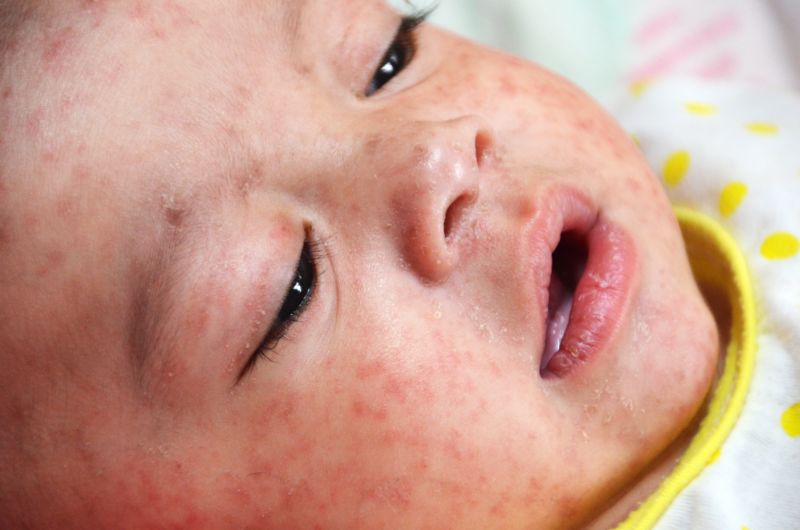
"Measles is a highly contagious illness that can spread easily through the air when an infected person breathes, coughs, or sneezes. Measles symptoms usually appear in two stages. In the first stage, most people have a fever of greater than 101 degrees, runny nose, watery red eyes, and a cough. These symptoms usually start 7 to 14 days after being exposed," the Virginia Department of Health said in a statement.
"The second stage starts 3 to 5 days after symptoms start, when a rash begins to appear on the face and spread to the rest of the body."
"If you notice symptoms of measles, immediately isolate yourself by staying home and away from others. Contact your healthcare provider right away," they both add.
"Call ahead before going to your health care provider’s office or the emergency room to notify them that you may have been exposed to measles and ask them to call the health department. This will help protect other patients and staff."